使用 trygetvalue 方法可以安全地读取 concurrentdictionary 中已有的值。该方法通过输出参数返回键对应的值,并返回一个布尔值指示操作是否成功,从而避免了在并发环境下因键被移除而引发的异常或空引用问题。

如何判断键是否存在并获取其值?
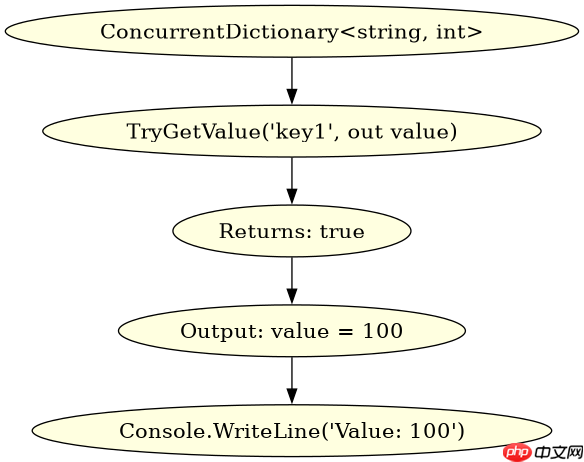
调用 TryGetValue 方法即可。如果键存在,它会将值赋给输出参数并返回 true;如果键不存在,则输出参数设为默认值并返回 false。这种方式是线程安全的,不需要手动加锁。
using System;
using System.Collections.Concurrent;

public class Program
{
    public static void Main()
    {
        var dict = new ConcurrentDictionary<string, int>();
        dict["key1"] = 100;

        int value;
        bool success = dict.TryGetValue("key1", out value);

        if (success)
        {
            Console.WriteLine($"Value: {value}");
        }
        else
        {
            Console.WriteLine("Key not found.");
        }
    }
}
对于上述代码,当查询存在的键 "key1" 时,预期结果为:
- success 为 true
- value 为 100
- 控制台输出 "Value: 100"
当查询不存在的键 "missing_key" 时,预期结果为:
- success 为 false
- value 为 0(因为 int 的默认值是 0)
- 控制台输出 "Key not found."

与直接索引访问相比有什么优势?
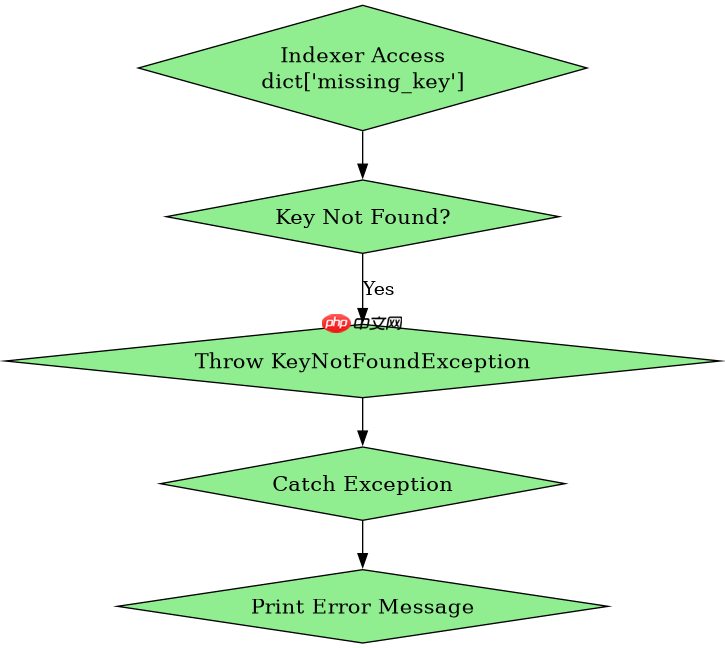
直接使用索引器 dict[key] 在键不存在时会抛出 KeyNotFoundException。虽然可以使用 ContainsKey 先检查再访问,但这不是原子操作,在多线程环境中,ContainsKey 返回 true 后、访问索引器前,该键可能被其他线程删除,导致异常。TryGetValue 将检查和获取合并为一个原子操作,确保了安全性。
using System;
using System.Collections.Concurrent;

public class Program
{
    public static void Main()
    {
        var dict = new ConcurrentDictionary<string, int>();
        dict["key1"] = 100;

        // 尝试访问可能不存在的键
        try
        {
            int val = dict["missing_key"]; // 可能抛出异常
            Console.WriteLine(val);
        }
        catch (Exception ex)
        {
            Console.WriteLine(ex.Message);
        }
    }
}
对于上述代码,当尝试访问不存在的 "missing_key" 时,预期结果为:
- 抛出 KeyNotFoundException
- 控制台输出 "The given key was not present in the dictionary."
如果在读取过程中键被移除会怎样?
如果使用 TryGetValue,即使键在调用瞬间被其他线程移除,该方法也会安全地返回 false,不会抛出异常。这保证了程序的健壮性。相比之下,非线程安全的字典在并发修改下可能会抛出更复杂的异常或返回错误数据。