在 completionstage 的链式调用中,通常不需要也不应该直接使用 newincompletefuture() 来手动创建和传递函数式接口。正确的做法是利用 completablefuture 提供的静态工厂方法(如 supplyasync、thenapplyasync)来构建异步任务,这些方法会自动处理底层的 completionstage 状态管理。如果你确实需要在一个现有的 completionstage 之后执行一个动作并返回一个新的阶段,应使用 thenacceptasync 或 thenrunasync 等组合方法,而不是手动实例化 completablefuture。

如何正确构建异步任务链
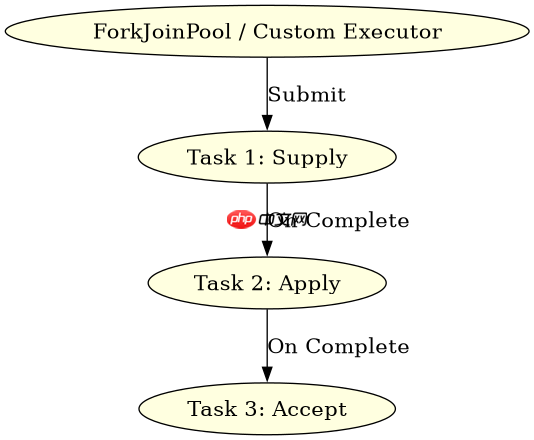
要构建一个标准的异步任务链,应使用 CompletableFuture.supplyAsync 作为起点,并通过 thenApplyAsync 或 thenComposeAsync 连接后续步骤。这种方式利用了默认的 ForkJoinPool 或自定义线程池,避免了手动管理 CompletableFuture 的生命周期。
import java.util.concurrent.CompletableFuture;
import java.util.concurrent.ExecutorService;
import java.util.concurrent.Executors;

public class AsyncChainExample {
    public static void main(String[] args) {
        ExecutorService executor = Executors.newFixedThreadPool(4);

        CompletableFuture<String> future = CompletableFuture
            .supplyAsync(() -> "Step 1 Result", executor)
            .thenApplyAsync(result -> result + " - Step 2", executor)
            .thenAcceptAsync(finalResult -> System.out.println("Final: " + finalResult), executor);

        // 等待完成
        future.join();
        executor.shutdown();
    }
}
上述代码展示了如何通过链式调用将多个异步任务串联起来。每个阶段都接收前一个阶段的输出,并返回新的 CompletableFuture。这种模式确保了任务的顺序执行和异常传播的正确性。
立即学习“Java免费学习笔记(深入)”;

在代码库出现结构漂移之前,扫描JS或TS代码库中的禁止导入、循环依赖、孤立模块和其他依赖规则违规情况。
何时需要手动创建 CompletableFuture
虽然大多数场景下推荐使用链式 API,但在某些特定情况下,例如需要将非异步代码包装成 CompletionStage,或者需要手动控制任务的完成状态时,可能需要直接操作 CompletableFuture。此时可以使用 new CompletableFuture() 创建一个未完成的状态,并在适当的时候通过 complete() 或 completeExceptionally() 来触发后续依赖的执行。

import java.util.concurrent.CompletableFuture;
import java.util.function.Supplier;

public class ManualFutureExample {
    public static void main(String[] args) {
        CompletableFuture<String> manualFuture = new CompletableFuture<>();

        Supplier<String> supplier = () -> {
            try {
                Thread.sleep(1000); // 模拟耗时操作
                return "Manual Task Completed";
            } catch (InterruptedException e) {
                throw new RuntimeException(e);
            }
        };

        // 模拟外部触发完成
        new Thread(() -> {
            String result = supplier.get();
            manualFuture.complete(result);
        }).start();

        // 注册回调
        manualFuture.thenAccept(res -> System.out.println("Received: " + res));

        // 保持主线程存活以观察结果
        try { Thread.sleep(2000); } catch (InterruptedException e) {}
    }
}
在这个例子中,我们手动创建了一个 CompletableFuture,并在另一个线程中模拟了耗时操作,完成后调用 complete() 来通知所有注册的回调。这种方式适用于与遗留的非异步系统集成,或者需要精确控制任务完成时机的场景。
基于 supplyAsync 输入的具体问题
在使用 supplyAsync 时,如果传入的 Supplier 抛出未捕获的异常,会导致生成的 CompletableFuture 处于异常状态,后续的 thenApply 或 thenAccept 将不会执行,除非使用了 exceptionally 或 handle 方法进行异常处理。这是开发者常遇到的一个问题,即异步任务失败后静默丢失结果。
import java.util.concurrent.CompletableFuture;

public class ExceptionHandlingExample {
    public static void main(String[] args) {
        CompletableFuture<String> future = CompletableFuture
            .supplyAsync(() -> {
                if (true) throw new RuntimeException("Simulated Error");
                return "Success";
            })
            .thenApply(result -> result.toUpperCase())
            .exceptionally(ex -> "Error Handled: " + ex.getMessage());

        System.out.println(future.join());
    }
}
运行上述代码,控制台将输出 Error Handled: Simulated Error。如果没有 exceptionally 块,join() 将会抛出 ExecutionException。因此,在处理可能失败的异步任务时,务必添加异常处理逻辑,以确保程序的健壮性。