使用自定义线程池提升吞吐量的核心做法是调用 completablefuture.supplyasync() 或 thenapplyasync() 等方法,并传入一个显式创建的 executorservice。这样做可以隔离业务逻辑与默认公共线程池(forkjoinpool),避免阻塞任务拖慢其他异步操作,同时通过调整线程数匹配硬件资源来最大化并发度。

如何创建并配置专用线程池
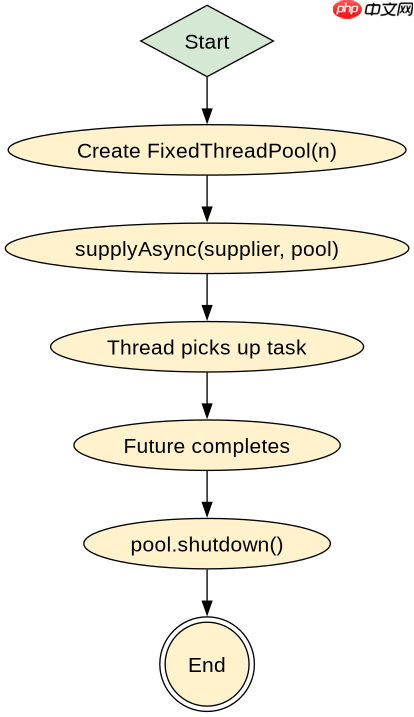
要创建一个专用的线程池,可以使用 Executors.newFixedThreadPool() 或直接实例化 ThreadPoolExecutor。推荐后者以便精细控制队列和拒绝策略。例如,创建一个包含 10 个线程的固定大小线程池,并将其传递给异步方法。
import java.util.concurrent.*;

public class AsyncExample {
    public static void main(String[] args) throws Exception {
        // 创建自定义线程池
        ExecutorService customPool = Executors.newFixedThreadPool(10);

        // 使用自定义线程池执行异步任务
        CompletableFuture<String> future = CompletableFuture.supplyAsync(() -> {
            try { Thread.sleep(100); } catch (InterruptedException e) {}
            return "Result from custom pool";
        }, customPool);

        System.out.println(future.get());
        customPool.shutdown();
    }
}
上述代码中,supplyAsync 接收两个参数:第一个是 Supplier 函数式接口,定义任务逻辑;第二个是 Executor,指定执行环境。运行后控制台将输出 Result from custom pool。通过这种方式,任务不再受限于 ForkJoinPool.commonPool() 的线程数(通常等于 CPU 核心数),而是由自定义池的大小决定并发能力。
立即学习“Java免费学习笔记(深入)”;

使用 Husky 将 pre-commit、pre-push 和 commit-msg 检查集成到仓库中,以便代理和开发人员在更改离开工作站之前运行相同的本地防护措施。
不同线程数对吞吐量的影响
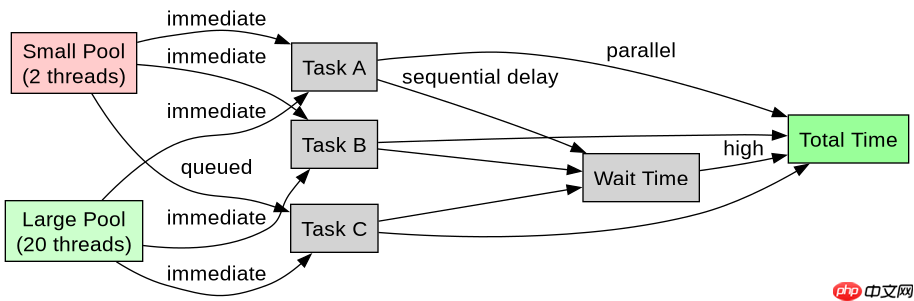
线程池大小的设置直接影响吞吐量。对于 CPU 密集型任务,线程数应接近 CPU 核心数;对于 I/O 密集型任务,线程数可适当增加以掩盖等待时间。以下对比两种配置下的行为。
import java.util.concurrent.*;

public class ThroughputTest {
    public static void main(String[] args) throws Exception {
        ExecutorService smallPool = Executors.newFixedThreadPool(2);
        ExecutorService largePool = Executors.newFixedThreadPool(20);

        long start = System.currentTimeMillis();

        // 小线程池执行多个短任务
        CompletableFuture.allOf(
            CompletableFuture.supplyAsync(() -> doWork(), smallPool),
            CompletableFuture.supplyAsync(() -> doWork(), smallPool),
            CompletableFuture.supplyAsync(() -> doWork(), smallPool)
        ).join();

        System.out.println("Small pool time: " + (System.currentTimeMillis() - start));
        smallPool.shutdown();

        start = System.currentTimeMillis();
        // 大线程池执行相同任务
        CompletableFuture.allOf(
            CompletableFuture.supplyAsync(() -> doWork(), largePool),
            CompletableFuture.supplyAsync(() -> doWork(), largePool),
            CompletableFuture.supplyAsync(() -> doWork(), largePool)
        ).join();

        System.out.println("Large pool time: " + (System.currentTimeMillis() - start));
        largePool.shutdown();
    }

    private static String doWork() {
        try { Thread.sleep(50); } catch (InterruptedException e) {}
        return "done";
    }
}
在 I/O 密集型场景下,较大的线程池能更快地完成所有任务,因为更多线程可以同时处于等待状态。而小线程池由于线程少,任务排队等待时间更长。实际运行时,Large pool time 通常小于 Small pool time。但需注意,过大的线程数会导致上下文切换开销增加,反而降低性能。
当任务抛出异常时如何处理
如果在自定义线程池中执行的任务抛出未捕获异常,CompletableFuture 会将其包装为 CompletionException 并在 get() 或 join() 时重新抛出。可以通过 exceptionally() 方法进行恢复处理。
import java.util.concurrent.*;

public class ErrorHandling {
    public static void main(String[] args) {
        ExecutorService pool = Executors.newFixedThreadPool(5);

        CompletableFuture<String> future = CompletableFuture.supplyAsync(() -> {
            throw new RuntimeException("Task failed");
        }, pool).exceptionally(ex -> {
            System.err.println("Caught exception: " + ex.getCause().getMessage());
            return "Fallback value";
        });

        System.out.println(future.join());
        pool.shutdown();
    }
}
该程序输出两行:第一行为错误日志 Caught exception: Task failed,第二行为 Fallback value。这表明即使任务失败,exceptionally 回调仍能正常执行,并提供默认返回值,保证后续链式调用不会中断。