


构造函数窃取(constructor stealing)通过在子类构造函数内部调用父类构造函数来实现继承,核心做法是使用 call 或 apply 将父类构造函数的执行上下文绑定到子类实例上。这样做能让子类实例获得父类定义的属性,同时每个子类实例都拥有独立的属性副本,避免了引用类型属性的共享问题。

如何实现构造函数窃取的基本语法
实现构造函数窃取的关键在于子类构造函数中显式调用父类构造函数。通过 Parent.call(this, ...) 的形式,可以将父类的属性和方法挂载到当前子类实例(this)上。这种方式确保了每个子类实例在创建时都会执行一次父类的初始化逻辑,从而获得独立的属性值。
function Parent(name) {
    this.name = name;
    this.colors = ["red", "blue"];
}

function Child(name, age) {
    // 窃取构造函数:调用 Parent 并将 this 指向 Child 实例
    Parent.call(this, name);
    this.age = age;
}

const child1 = new Child("Alice", 10);
const child2 = new Child("Bob", 12);

console.log(child1.name); // "Alice"
console.log(child1.colors); // ["red", "blue"]
child1.colors.push("green");
console.log(child1.colors); // ["red", "blue", "green"]
console.log(child2.colors); // ["red", "blue"] (独立,未受影响)在上述代码中,Child 构造函数通过 Parent.call(this, name) 继承了 name 和 colors 属性。由于每次 new Child() 都会重新执行 Parent 构造函数,因此 child1 和 child2 的 colors 数组是完全独立的内存地址,修改其中一个不会影响另一个。
立即学习“Java免费学习笔记(深入)”;

FilePond 是一个 JavaScript 文件上传库,支持通过拖拽、粘贴和 API 方式处理文件、目录、URL 和 Data URI。它包含内置的图像优化功能、异步分块上传功能,并提供了适用于 React、Vue、Angular 和 Svelte 的适配器。
构造函数窃取的局限性及原型链补充
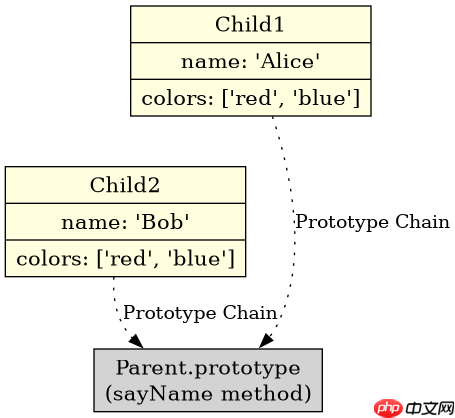
虽然构造函数窃取解决了属性共享的问题,但它无法继承父类原型(prototype)上定义的方法。如果在父类原型上定义了方法,子类实例将无法直接访问这些方法。为了解决这个问题,通常需要将子类的原型对象(prototype)指向父类的实例,从而实现原型链的链接。

// 假设 Parent 原型上有方法
Parent.prototype.sayName = function() {
    console.log(this.name);
};

// 1. 构造函数窃取(已处理属性继承)
function Child(name, age) {
    Parent.call(this, name);
    this.age = age;
}

// 2. 原型链继承(处理方法继承)
Child.prototype = new Parent();
Child.prototype.constructor = Child; // 修复 constructor 指向

const child = new Child("Charlie", 15);
child.sayName(); // "Charlie" (通过原型链找到 Parent.prototype.sayName)
这种组合方式被称为组合继承。第一步通过构造函数窃取获取实例属性,第二步通过将 Child.prototype 设置为 new Parent() 来获取父类原型上的方法。需要注意的是,new Parent() 会调用一次父类构造函数,这可能导致父类构造函数被调用两次(一次在原型赋值时,一次在子类实例化时),但在现代 JavaScript 开发中,这通常被视为可接受的权衡,或者可以通过寄生组合式继承进一步优化。
构造函数窃取如何处理参数传递与默认值
在使用构造函数窃取时,参数的传递必须显式地从子类构造函数转发到父类构造函数。如果父类构造函数有默认参数或可选参数,子类在调用 call 时必须确保传入正确的参数列表,否则可能导致父类属性初始化失败或使用非预期的默认值。此外,如果子类需要扩展父类的某些属性,可以在调用 call 之后对 this 进行修改。
function Parent(name, type = "default") {
    this.name = name;
    this.type = type;
}

function Child(name, age, extraInfo) {
    // 显式传递 name,type 使用默认值
    Parent.call(this, name);

    this.age = age;
    this.extraInfo = extraInfo;

    // 可选:在窃取后修改或扩展属性
    if (extraInfo) {
        this.description = `Name: ${this.name}, Age: ${this.age}`;
    }
}

const c = new Child("Dave", 20, { detail: "student" });
console.log(c.type); // "default" (来自 Parent 的默认值)
console.log(c.description); // "Name: Dave, Age: 20"在此示例中,Child 构造函数只向 Parent 传递了 name 参数,因此 type 使用了父类定义的默认值 "default"。如果希望子类覆盖默认值,可以显式传递第二个参数:Parent.call(this, name, "custom")。这种机制允许子类灵活地控制父类属性的初始化过程,同时保持代码的清晰性和可维护性。