




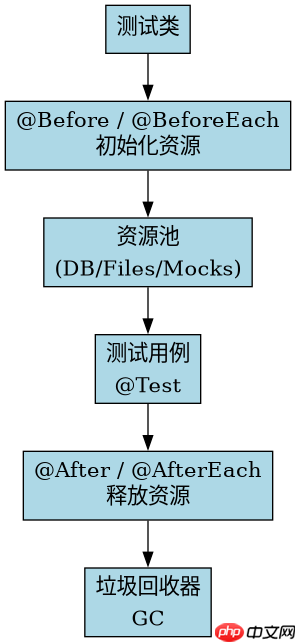
使用测试夹具(test fixture)管理资源的核心做法是:在测试类中定义统一的初始化方法或字段,将数据库连接、文件句柄或模拟对象等外部依赖集中创建和销毁。通过 @before 或 @beforeeach 确保每个测试用例开始前获取干净的资源状态,并在 @after 或 @aftereach 中严格释放资源,避免测试间的相互干扰和资源泄漏。
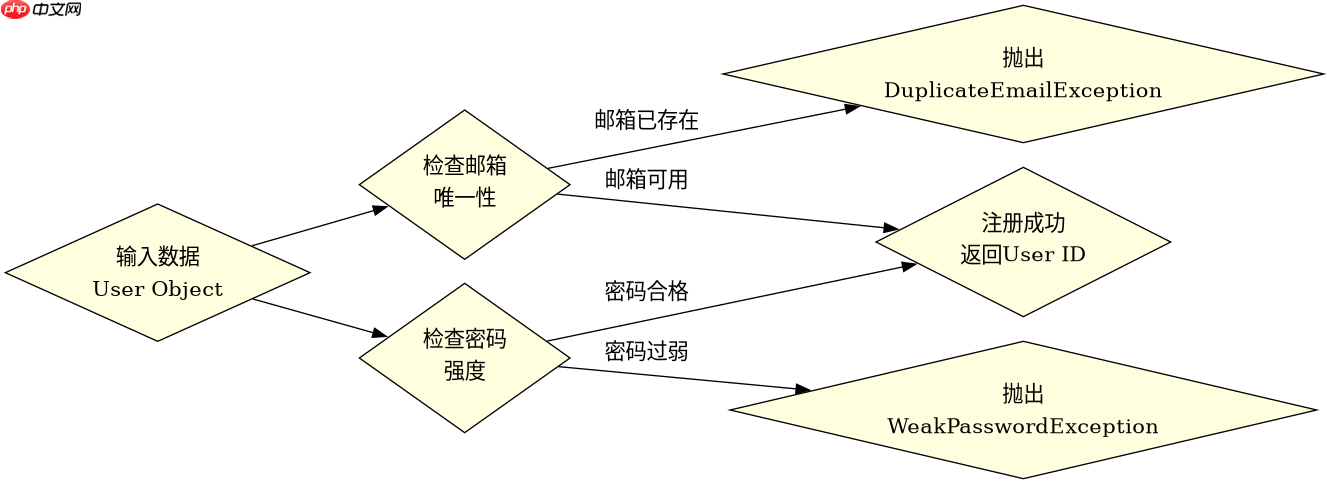
如何为不同测试场景准备特定的输入数据?
针对不同的业务逻辑分支,需要构建具有特定属性差异的输入对象。例如,测试用户注册时,需分别准备“邮箱已存在”、“密码强度不足”和“合法新用户”三种状态的夹具数据。通过在测试方法内部实例化这些对象,可以精确控制测试条件,验证系统在特定输入下的行为是否符合预期。
import org.junit.jupiter.api.Test;
import static org.junit.jupiter.api.Assertions.*;

public class UserServiceFixtureTest {
    private UserService userService = new UserService();

    @Test
    public void testRegisterWithDuplicateEmail() {
        // 准备重复邮箱的夹具
        User duplicateUser = new User("test@example.com", "password123");
        userService.register(duplicateUser);

        // 再次尝试注册相同邮箱
        assertThrows(DuplicateEmailException.class, () -> {
            userService.register(duplicateUser);
        });
    }

    @Test
    public void testRegisterWithWeakPassword() {
        // 准备弱密码的夹具
        User weakUser = new User("new@example.com", "123");

        assertThrows(WeakPasswordException.class, () -> {
            userService.register(weakUser);
        });
    }
}
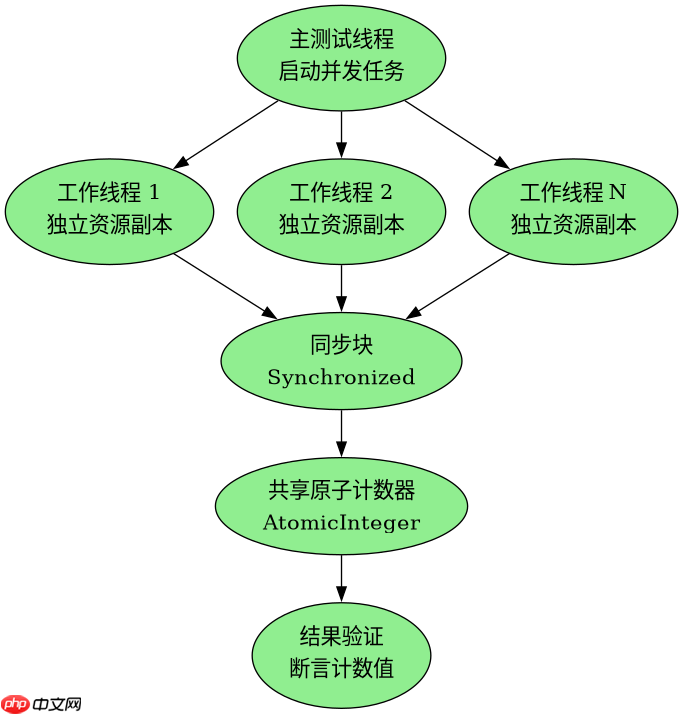
如何在并发测试中隔离共享资源的访问?
当测试涉及多线程或并发操作时,共享资源如全局计数器或单例服务会导致竞态条件。解决此问题的方法是使用线程局部变量(ThreadLocal)或在每个测试方法中创建独立的资源实例。这样可以确保每个线程或测试用例拥有独立的资源副本,互不干扰,从而保证测试结果的可重复性和准确性。

FilePond 灵活的 JavaScript 文件上传库
下载
FilePond 是一个 JavaScript 文件上传库,支持通过拖拽、粘贴和 API 方式处理文件、目录、URL 和 Data URI。它包含内置的图像优化功能、异步分块上传功能,并提供了适用于 React、Vue、Angular 和 Svelte 的适配器。
立即学习“Java免费学习笔记(深入)”;
import org.junit.jupiter.api.Test;
import java.util.concurrent.CountDownLatch;
import java.util.concurrent.atomic.AtomicInteger;

public class ConcurrentResourceTest {
    private AtomicInteger sharedCounter = new AtomicInteger(0);

    @Test
    public void testConcurrentAccessIsolation() throws InterruptedException {
        int threadCount = 10;
        CountDownLatch latch = new CountDownLatch(threadCount);

        for (int i = 0; i < threadCount; i++) {
            new Thread(() -> {
                // 每个线程操作独立的局部副本或同步块
                synchronized (this) {
                    sharedCounter.incrementAndGet();
                }
                latch.countDown();
            }).start();
        }
        latch.await();
        assertEquals(10, sharedCounter.get());
    }
}
测试夹具中的资源清理失败会引发什么后果?
如果测试夹具中的资源清理逻辑(如关闭数据库连接或删除临时文件)未正确执行或发生异常,会导致系统资源泄漏。在持续集成环境中,这可能导致后续测试因端口占用、文件锁定或内存溢出而失败。此外,残留的数据可能污染下一个测试用例的环境,使得测试结果不可靠,甚至掩盖真实的业务逻辑错误。