javascript 函数调用时 this 绑定丢失,最稳妥的处理方式是使用 .bind() 方法创建新函数,或者在定义处使用箭头函数。这些方法能强制将 this 指向预期的对象,避免在作为回调或事件处理程序传递时发生上下文切换。

为什么普通函数会丢失 this 绑定
当普通函数被赋值给变量、作为参数传递或作为对象方法调用时,this 的绑定规则会发生变化。在非严格模式下,它通常会回退到全局对象(浏览器中的 window),而在严格模式下则为 undefined。这种机制导致开发者无法通过简单的引用传递来保留原始上下文。
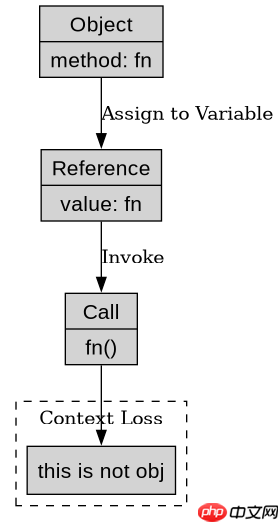
class User { constructor(name) { this.name = name; } greet() { console.log('Hello, ' + this.name); } } const user = new User('Alice'); // 直接调用:this 指向 user 实例 user.greet(); // 输出: Hello, Alice // 丢失绑定:this 指向 window 或 undefined const lostGreeting = user.greet; lostGreeting(); // 输出: Hello, undefined (严格模式) 或 Hello, [object Window]如何使用 bind 恢复 this 绑定
使用 .bind() 可以创建一个新函数,该函数的 this 值被永久固定为传入的第一个参数。无论后续如何调用这个新函数,其内部的 this 都不会改变。这是处理回调函数中上下文丢失的标准做法。

FilePond 灵活的 JavaScript 文件上传库
下载
FilePond 是一个 JavaScript 文件上传库,支持通过拖拽、粘贴和 API 方式处理文件、目录、URL 和 Data URI。它包含内置的图像优化功能、异步分块上传功能,并提供了适用于 React、Vue、Angular 和 Svelte 的适配器。
立即学习“Java免费学习笔记(深入)”;

class User { constructor(name) { this.name = name; } greet() { console.log('Hello, ' + this.name); } } const user = new User('Bob'); // 使用 bind 创建绑定函数 const boundGreeting = user.greet.bind(user); // 即使作为独立函数调用,this 依然指向 user boundGreeting(); // 输出: Hello, Bob // 也可以用于部分应用参数 const sayHelloTo = function(greeting) { console.log(greeting + ', ' + this.name); }.bind(user); sayHelloTo('Hi'); // 输出: Hi, Bob箭头函数如何解决 this 问题
箭头函数不拥有自己的 this 绑定,它会捕获定义时所在作用域的 this 值。因此,在类的方法中使用箭头函数,或者在构造函数中使用箭头函数定义回调,可以自动继承外部上下文的 this,从而避免绑定丢失的问题。
class Timer { constructor() { this.seconds = 0; setInterval(() => { this.seconds++; console.log(this.seconds); }, 1000); } } const timer = new Timer(); // 每秒钟输出递增的数字,this 始终指向 timer 实例