要实现防抖节流池,核心思路是维护一个以函数标识为键的 map 对象,将多个函数的执行状态(定时器、上次执行时间等)集中管理。通过定义一个工厂函数或类,接收配置参数并返回带有唯一 id 的包装函数,从而支持对同一函数实例进行独立的防抖或节流控制,同时提供批量清理和状态查询的能力。

如何设计防抖节流池的核心数据结构
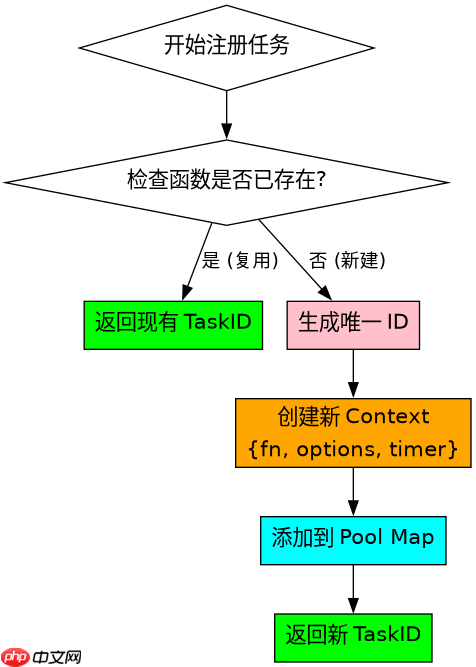
防抖节流池的基础是一个存储所有激活任务状态的容器。通常使用 JavaScript 的 Map 对象来存储,Key 为任务的唯一标识符(ID),Value 为一个包含定时器引用、上次执行时间戳、当前策略类型以及原始函数引用的对象结构。这种设计允许池管理器快速定位特定任务的上下文,而不需要为每个函数创建独立的闭包作用域,从而实现资源的统一调度。
class DebounceThrottlePool {
  constructor() {
    // 核心存储:key 为 taskId, value 为任务上下文
    this.pool = new Map();
    this.nextId = 1;
  }

  // 生成唯一 ID
  _generateId() {
    return `task_${this.nextId++}`;
  }

  // 注册新任务
  register(fn, options) {
    const id = this._generateId();
    const context = {
      fn,
      options: { ...options },
      timer: null,
      lastExecTime: 0,
      strategy: options.strategy || 'debounce'
    };
    this.pool.set(id, context);
    return id;
  }

  // 获取任务上下文
  getContext(id) {
    return this.pool.get(id);
  }

  // 清理指定任务
  clear(id) {
    const ctx = this.pool.get(id);
    if (ctx) {
      if (ctx.timer) clearTimeout(ctx.timer);
      this.pool.delete(id);
    }
  }

  // 清空整个池
  flush() {
    this.pool.forEach((ctx) => {
      if (ctx.timer) clearTimeout(ctx.timer);
    });
    this.pool.clear();
  }
}
如何在池中集成具体的防抖与节流逻辑
在拥有基础数据结构后,需要在池内部实现具体的执行拦截逻辑。当用户调用包装后的函数时,实际触发的是池中的代理方法。该方法首先查找对应的任务上下文,然后根据配置的 strategy 属性('debounce' 或 'throttle')执行不同的计时器逻辑。防抖模式会在每次调用时重置定时器,直到最后一次调用后等待指定时间才执行;节流模式则记录上次执行时间,若当前时间与上次执行时间间隔小于阈值则忽略本次调用。

立即学习“Java免费学习笔记(深入)”;

  // 在 DebounceThrottlePool 类中扩展的方法
  createWrapper(id) {
    const ctx = this.pool.get(id);
    if (!ctx) throw new Error('Task not found');

    return (...args) => {
      const now = Date.now();

      if (ctx.strategy === 'debounce') {
        // 防抖逻辑:清除旧定时器,设置新定时器
        if (ctx.timer) clearTimeout(ctx.timer);
        ctx.timer = setTimeout(() => {
          ctx.fn.apply(null, args);
          ctx.timer = null;
        }, ctx.options.wait);
      } else if (ctx.strategy === 'throttle') {
        // 节流逻辑:判断是否超过间隔时间
        if (now - ctx.lastExecTime >= ctx.options.wait) {
          ctx.lastExecTime = now;
          ctx.fn.apply(null, args);
        }
      }
    };
  }

  // 使用示例
  /*
  const pool = new DebounceThrottlePool();
  const myFunc = () => console.log('executed');
  const taskId = pool.register(myFunc, { wait: 500, strategy: 'debounce' });
  const wrappedFn = pool.createWrapper(taskId);

  wrappedFn(); // 触发防抖
  pool.clear(taskId); // 取消执行
  */
如何处理同一函数多次注册的冲突与复用
在实际应用中,同一个原始函数可能会被多次注册到池中,或者希望复用已有的任务配置。如果直接再次调用 register,会生成新的 ID 导致之前的定时器失效或产生冗余。为了支持复用,可以在 register 方法中增加检查逻辑,如果传入的函数对象已存在于池中,则返回其现有的 ID 而不是创建新任务。此外,还可以提供 updateOptions 方法,允许动态修改正在运行中的任务的配置参数,例如调整防抖的等待时间,而无需销毁重建任务。
  // 增强版 register,支持复用
  register(fn, options) {
    // 检查是否已存在相同函数的任务
    for (let [id, ctx] of this.pool.entries()) {
      if (ctx.fn === fn && !ctx.timer) {
        // 如果任务已完成且空闲,可考虑复用或更新配置
        // 这里简单处理:若存在则返回现有ID,实际业务可能需要更复杂的锁定机制
        return id;
      }
    }
    return this._generateNewRegister(fn, options);
  }

  updateOptions(id, newOptions) {
    const ctx = this.pool.get(id);
    if (ctx) {
      Object.assign(ctx.options, newOptions);
    }
}