








thencompose 用于处理异步操作返回另一个 completablefuture 的场景,实现链式调用。它接收一个函数作为参数,该函数将当前步骤的结果转换为新的异步任务,并将两个任务串联起来。使用它能避免手动嵌套回调,保持代码的线性逻辑。

如何串联两个独立的异步查询
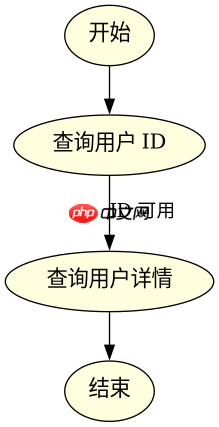
通过 thenCompose 可以将第一个异步查询的结果直接传递给第二个查询。假设我们需要先获取用户 ID,再根据 ID 获取用户详情。这种模式适用于依赖上游结果的下游操作。
import java.util.concurrent.CompletableFuture;

public class Main {
    public static void main(String[] args) {
        CompletableFuture<String> userIdFuture = getUserIdAsync(1);

        // 使用 thenCompose 串联查询
        CompletableFuture<String> userDetailFuture = userIdFuture.thenCompose(id ->
            getUserDetailAsync(id)
        );

        System.out.println(userDetailFuture.join());
    }

    private static CompletableFuture<String> getUserIdAsync(int id) {
        return CompletableFuture.supplyAsync(() -> "User-" + id);
    }

    private static CompletableFuture<String> getUserDetailAsync(String id) {
        return CompletableFuture.supplyAsync(() -> "Details for " + id);
    }
}
如何处理异常与空值情况
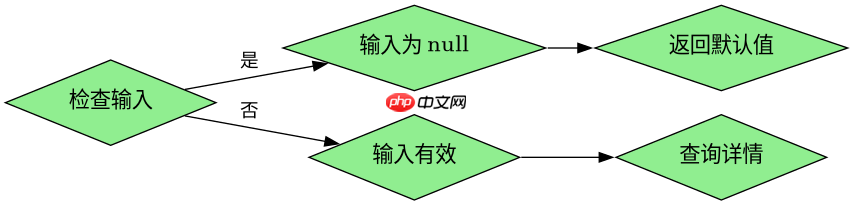
在链式调用中,如果前一步抛出异常或返回空值,后续步骤会受到影响。thenCompose 本身不处理异常,需要配合 exceptionally 或 handle 使用。对于空值,建议在转换函数内部进行判断,避免传递无效数据。

立即学习“Java免费学习笔记(深入)”;
import java.util.concurrent.CompletableFuture;

public class Main {
    public static void main(String[] args) {
        CompletableFuture<String> future = getOptionalIdAsync(null);

        CompletableFuture<String> result = future.thenCompose(id -> {
            if (id == null) {
                return CompletableFuture.completedFuture("Default User");
            }
            return getUserDetailAsync(id);
        }).exceptionally(ex -> "Error: " + ex.getMessage());

        System.out.println(result.join());
    }

    private static CompletableFuture<String> getOptionalIdAsync(Integer id) {
        return CompletableFuture.supplyAsync(() -> id != null ? "User-" + id : null);
    }

    private static CompletableFuture<String> getUserDetailAsync(String id) {
        return CompletableFuture.supplyAsync(() -> "Details for " + id);
    }
}
基于输入为 null 时的具体行为
当 thenCompose 的上游输入为 null 时,转换函数仍会被执行,但传入的参数为 null。开发者需在函数内显式处理 null 值,否则可能引发 NullPointerException。这与 thenApply 的行为一致,均会传递实际值(包括 null)。


















