go-zero框架通过内置的 sync.waitgroup 机制和生命周期管理来防止 goroutine 泄露,确保在服务关闭时能正确终止所有后台任务。具体做法是在启动协程前调用 add(1),在协程结束时调用 done(),并在服务停止时调用 wait() 阻塞等待。这样能保证所有并发任务在主逻辑退出前完成或安全退出。

如何为自定义业务逻辑添加生命周期钩子?
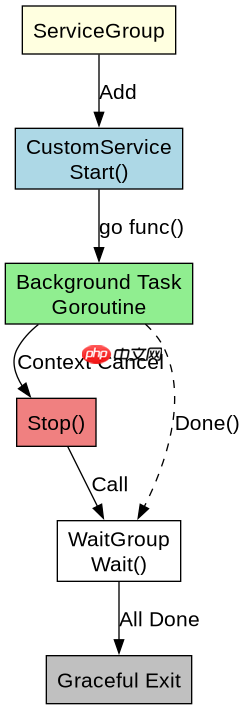
开发者可以通过实现 core.Service 接口或在 main 函数中手动管理 sync.WaitGroup 来为自定义业务逻辑添加生命周期钩子。核心思路是创建一个全局或上下文感知的 WaitGroup,在业务协程启动前注册,在协程内部使用 defer 注销,并在服务停止信号触发时等待所有协程结束。这能有效避免业务逻辑中的 Goroutine 因主进程退出而成为孤儿进程。
package main

import (
    "context"
    "fmt"
    "sync"
    "time"

    "github.com/zeromicro/go-zero/core/service"
)

// CustomService 演示如何集成到 go-zero 的服务管理中
type CustomService struct {
    wg sync.WaitGroup
}

func (c *CustomService) Start() {
    // 模拟一个长期运行的后台任务
    c.wg.Add(1)
    go func() {
        defer c.wg.Done()
        ctx, cancel := context.WithCancel(context.Background())
        defer cancel()

        for {
            select {
            case <-ctx.Done():
                fmt.Println("Background task stopped gracefully")
                return
            case <-time.After(time.Second):
                fmt.Println("Task running...")
            }
        }
    }()
}

func (c *CustomService) Stop() error {
    fmt.Println("Stopping custom service...")
    c.wg.Wait() // 等待所有 goroutine 结束
    return nil
}

func main() {
    svc := &CustomService{}

    // 将自定义服务加入 go-zero 的管理组
    group := service.NewServiceGroup()
    group.Add(svc)

    // 启动服务
    group.Start()

    // 模拟主程序运行一段时间
    time.Sleep(5 * time.Second)

    // 停止服务,此时会触发 Stop() 并等待 goroutine 结束
    group.Stop()
    fmt.Println("All services stopped.")
}
上述代码定义了一个 CustomService,它实现了 service.Service 接口(包含 Start 和 Stop 方法)。在 Start 方法中,我们启动了一个无限循环的 Goroutine,并使用 context.WithCancel 来控制其生命周期。当 group.Stop() 被调用时,它会依次调用每个服务的 Stop 方法。在 Stop 中,c.wg.Wait() 会阻塞直到之前 Add(1) 的协程执行完 Done()。预期结果是:控制台先打印 "Task running..." 多次,然后打印 "Stopping custom service...",接着打印 "Background task stopped gracefully",最后打印 "All services stopped."。
如何在 RPC 客户端连接中防止资源泄露?
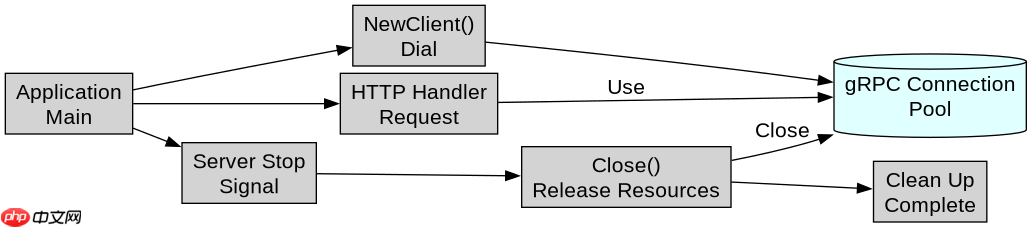
在 Go-Zero 的 RPC 客户端使用中,防止 Goroutine 泄露的关键在于正确处理连接池的生命周期和上下文取消。默认情况下,grpcxrpc.NewClient 创建的客户端会在服务停止时自动关闭底层连接,但如果用户手动创建了长连接或使用了自定义的 Dialer,必须确保在不再使用时显式关闭连接或取消相关的 Context。此外,避免在循环中创建新的 Client 实例而不释放旧实例也是防止泄露的重要实践。
package main

import (
    "context"
    "fmt"
    "log"
    "time"

    "github.com/zeromicro/go-zero/core/logx"
    "github.com/zeromicro/go-zero/rest/httpx"
    "google.golang.org/grpc"
    "google.golang.org/grpc/credentials/insecure"
)

// MockRPCClient 模拟一个需要管理的 RPC 客户端
type MockRPCClient struct {
    conn *grpc.ClientConn
}

func NewMockRPCClient(addr string) (*MockRPCClient, error) {
    conn, err := grpc.Dial(addr, grpc.WithTransportCredentials(insecure.NewCredentials()))
    if err != nil {
        return nil, err
    }
    return &MockRPCClient{conn: conn}, nil
}

func (m *MockRPCClient) Close() {
    if m.conn != nil {
        m.conn.Close()
    }
}

func main() {
    // 假设有一个远程服务地址
    addr := "localhost:9000"

    // 创建客户端
    client, err := NewMockRPCClient(addr)
    if err != nil {
        log.Fatalf("Failed to connect: %v", err)
    }
    defer client.Close() // 确保在 main 退出时关闭连接

    // 模拟发送请求
    ctx, cancel := context.WithTimeout(context.Background(), 5*time.Second)
    defer cancel()

    // 这里省略具体的 RPC 调用细节,仅展示连接管理
    fmt.Println("Sending request with timeout context...")

    // 模拟业务逻辑
    httpx.Handle("/api/test", func(w http.ResponseWriter, r *http.Request) {
        // 在实际应用中,这里会使用 client 进行 RPC 调用
        w.WriteHeader(http.StatusOK)
        w.Write([]byte("OK"))
    })

    // 启动 HTTP 服务器
    s := httpx.NewServer(httpx.ServerOptions{Port: 8888})
    s.AddRoutes(nil) // 简化处理

    fmt.Println("Server starting on :8888")
    s.Start()
}
该示例展示了如何包装一个 gRPC 客户端并管理其生命周期。重点在于 NewMockRPCClient 返回的结构体包含 Close 方法,且在 main 函数中使用 defer client.Close() 确保程序退出时连接被关闭。虽然 Go-Zero 的 rest.Server 在停止时也会清理资源,但显式管理外部依赖的连接是最佳实践。预期结果是:服务器正常启动并监听端口,当进程收到终止信号(如 Ctrl+C)时,defer 语句会执行,调用 client.Close() 关闭底层的 gRPC 连接,从而防止 Goroutine 和文件描述符泄露。
如果 Service.Stop() 中 WaitGroup 未正确同步会发生什么?
如果在 Service.Stop() 中没有正确调用 WaitGroup.Wait(),或者在协程中没有调用 Done(),会导致服务停止时部分 Goroutine 仍在后台运行。这些“孤儿” Goroutine 可能会继续占用 CPU 和内存资源,甚至访问已关闭的资源导致 panic。更严重的是,它们可能持有锁或数据库连接,导致后续重启的服务无法立即获取资源,表现为短暂的不可用或数据不一致。