使用 argthat() 配合自定义的 argumentmatcher 或内置的 hasproperty() 等条件,可以在 mockito 中按对象字段匹配参数。核心做法是调用 mockito.argthat(new argumentmatcher<yourclass>() { ... })</yourclass> 并在 matches 方法中比较字段值,或者直接使用 hamcrest 提供的 hasproperty 进行链式匹配。

如何验证包含特定字段的对象作为参数被调用
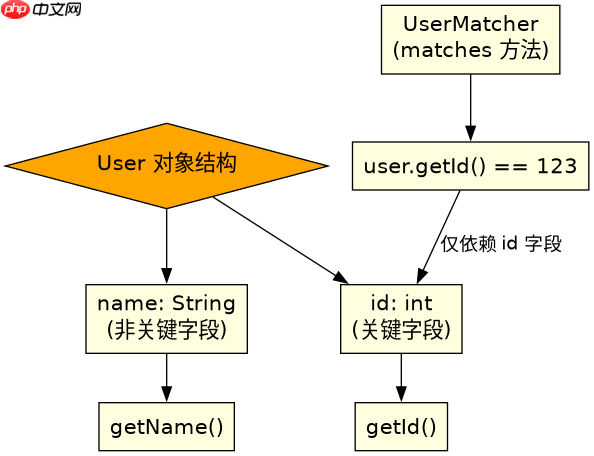
通过实现 ArgumentMatcher 接口并重写 matches 方法,可以精确控制对象字段的比对逻辑。例如,当需要验证一个 User 对象的 id 字段为 123 时,可以在 matches 中获取传入对象并判断其 getId() 返回值。这种方式允许你忽略对象的其他无关字段,只关注业务关键数据。
import org.mockito.ArgumentMatcher;
import org.mockito.Mockito;

public class User {
    private int id;
    private String name;
    // getters and setters
}

// 在测试类中
UserMatcher matcher = new UserMatcher(123);
when(mockService.process(argThat(matcher))).thenReturn(true);
mockService.process(new User(123, "Alice"));
// 验证
verify(mockService).process(argThat(matcher));

// 自定义匹配器类
class UserMatcher implements ArgumentMatcher<User> {
    private final int expectedId;
    public UserMatcher(int id) { this.expectedId = id; }
    @Override
    public boolean matches(User user) {
        return user != null && user.getId() == expectedId;
    }
}
如何使用 Hamcrest 简化对象字段匹配
引入 hamcrest-core 和 mockito-core 后,可以使用 hasProperty 方法直接构建匹配器,无需编写额外的内部类。这种方法代码更简洁,适合快速验证单个或少数几个字段。需要注意的是,hasProperty 依赖于 JavaBeans 规范,即对象必须有对应的 getter 方法。

import static org.hamcrest.Matchers.hasProperty;
import static org.mockito.ArgumentMatchers.argThat;

// 验证 User 对象的 id 字段为 123
verify(mockService).process(argThat(hasProperty("id", is(123))));

// 验证嵌套属性或字符串字段
verify(mockService).process(argThat(hasProperty("name", is("Alice"))));
当对象字段为空或默认值时匹配行为如何
如果对象字段为 null 或未初始化(默认值),argThat 的行为取决于匹配器的实现。在使用 hasProperty 时,若期望值为 null,需使用 is(nullValue());若期望值为基本类型默认值(如 0),则直接比较即可。自定义 ArgumentMatcher 时需显式处理 null 检查,避免 NullPointerException。例如,若 User 的 name 为 null,在 matches 中应使用 equals 而非 == 来安全比较。