



箭头函数没有自己的 this,它总是捕获定义时所在上下文的 this 值;普通函数则根据调用方式动态绑定 this。在 react 组件或事件回调中,使用箭头函数可以自动继承外层作用域的 this,避免手动 bind 或保存 this 引用。

为什么普通函数在回调中 this 会丢失
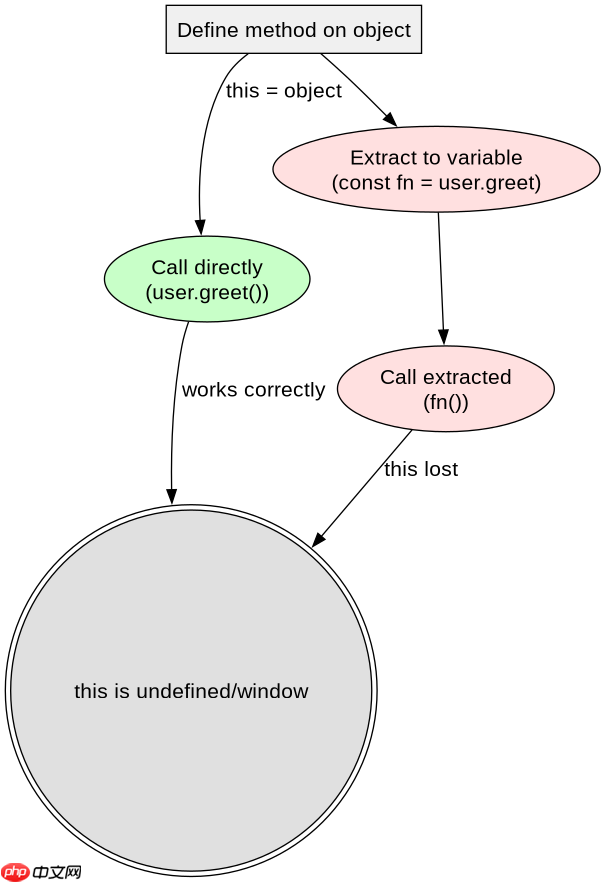
当普通函数作为对象方法被调用时,this 指向该对象;但当它被提取出来作为独立函数调用(如事件监听器或定时器)时,this 变为全局对象或 undefined。这是因为普通函数的 this 是在运行时根据调用上下文决定的,而不是定义时。
const user = {
  name: 'Alice',
  greet: function() {
    console.log(this.name);
  }
};

// 直接调用:this 指向 user
user.greet(); // 输出: Alice

// 提取后调用:this 指向 window 或 undefined
const fn = user.greet;
fn(); // 输出: undefined (严格模式下)
上述代码展示了普通函数 this 的动态绑定特性。当 greet 方法从 user 对象中提取出来后,它失去了原有的调用上下文,导致 this 不再指向 user。这是开发中常见的陷阱,特别是在处理事件回调时。
立即学习“Java免费学习笔记(深入)”;

使用 Husky 将 pre-commit、pre-push 和 commit-msg 检查集成到仓库中,以便代理和开发人员在更改离开工作站之前运行相同的本地防护措施。
箭头函数如何继承 this
箭头函数不创建自己的 this 绑定,而是从外层作用域继承。这意味着无论箭头函数在哪里被调用,它的 this 始终等于定义时的外层 this。这种特性使得箭头函数非常适合用于需要保持上下文一致性的场景,如异步回调和内部方法。

const user = {
  name: 'Alice',
  greet: () => {
    console.log(this.name);
  }
};

user.greet(); // 输出: undefined (this 指向全局对象)
注意:如果箭头函数定义在全局作用域或模块顶层,它的 this 将指向全局对象(浏览器中的 window 或 Node.js 中的 global),而不是预期的对象实例。因此,箭头函数不适合用作对象方法,除非你明确希望它继承外层的 this。
在 React 组件中如何处理 this
在 React 类组件中,事件处理器通常需要使用箭头函数来确保 this 正确指向组件实例。可以通过在构造函数中 bind 方法,或者直接在类属性中使用箭头函数来实现。后者更简洁且推荐,因为它避免了额外的绑定开销。
class MyComponent extends React.Component {
  // 方式一:构造函数 bind
  constructor(props) {
    super(props);
    this.handleClick = this.handleClick.bind(this);
  }
  handleClick() {
    console.log(this.state.count);
  }

  // 方式二:箭头函数属性(推荐)
  handleArrowClick = () => {
    console.log(this.state.count);
  };

  render() {
    return (
      <button onClick={this.handleArrowClick}>
        Click me
      </button>
    );
  }
}使用箭头函数属性定义事件处理器可以简化代码并提高可读性。这种方式下,this 始终指向组件实例,无需担心上下文丢失问题。同时,它也避免了在每次渲染时创建新函数实例的性能开销(与内联箭头函数相比)。