



java 接口通过引入 default 关键字定义默认方法,使得在不修改现有实现类的前提下扩展接口功能。具体做法是在接口中声明带有 default 修饰的方法并提供实现体,调用方无需重新编译或修改代码即可使用新行为。若实现类未覆盖该方法,则自动继承接口的默认逻辑;若需定制行为,只需在实现类中重写对应方法即可。

接口新增方法时如何避免破坏现有实现
当接口需要增加新方法时,直接添加抽象方法会导致所有未更新的实现类编译失败。采用默认方法可以保持向后兼容,旧实现类继续运行而新实现类可选择性覆盖。例如在 List 接口中添加 replaceAll() 方法时,所有已有的 ArrayList、LinkedList 等实现无需改动即可直接使用默认行为。
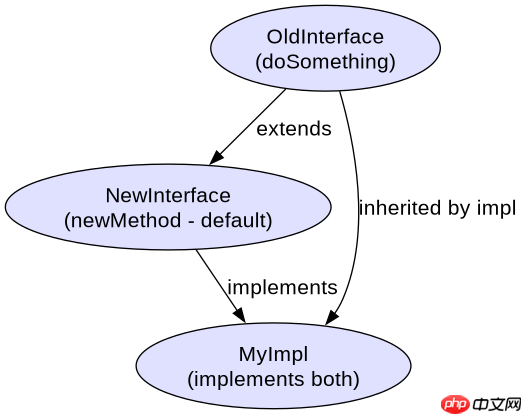
interface OldInterface {
    void doSomething();
}

interface NewInterface extends OldInterface {
    default void newMethod() {
        System.out.println("Default behavior");
    }
}

class MyImpl implements NewInterface {
    @Override
    public void doSomething() {
        System.out.println("Existing implementation");
    }
    // newMethod() is inherited, no override needed
}

public class Main {
    public static void main(String[] args) {
        NewInterface obj = new MyImpl();
        obj.doSomething();
        obj.newMethod();
    }
}
预期输出:
Existing implementation
Default behavior
立即学习“Java免费学习笔记(深入)”;

在代码库出现结构漂移之前,扫描JS或TS代码库中的禁止导入、循环依赖、孤立模块和其他依赖规则违规情况。
多个父接口提供相同默认方法时如何处理冲突
当一个类实现多个接口且这些接口包含同名同签名的默认方法时,编译器会报错要求显式解决冲突。开发者必须在实现类中重写该方法,并选择其中一个接口的实现或组合逻辑。这种机制强制明确行为优先级,避免隐式歧义。例如同时实现 InterfaceA 和 InterfaceB,两者都有 process() 默认方法,则实现类必须提供自己的 process() 版本。
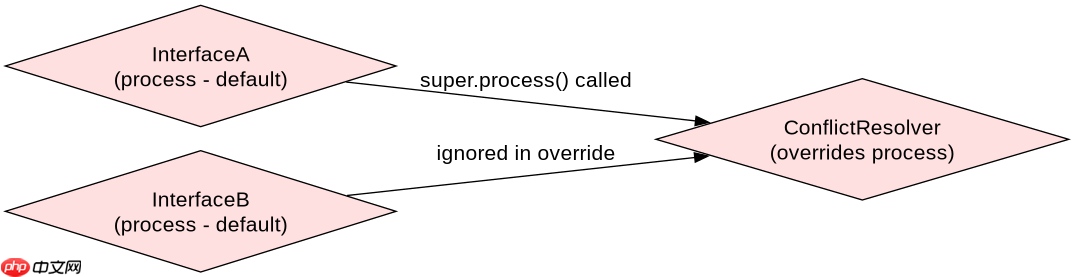
interface InterfaceA {
    default void process() {
        System.out.println("From A");
    }
}

interface InterfaceB {
    default void process() {
        System.out.println("From B");
    }
}

class ConflictResolver implements InterfaceA, InterfaceB {
    @Override
    public void process() {
        InterfaceA.super.process(); // Explicitly choose A's implementation
    }
}

public class Main {
    public static void main(String[] args) {
        ConflictResolver resolver = new ConflictResolver();
        resolver.process();
    }
}
预期输出:
From A
默认方法中调用 super 关键字的具体效果是什么
在默认方法中使用 InterfaceName.super.method() 可以显式调用特定父接口的默认实现,从而在冲突解决或逻辑组合时精确控制行为来源。这允许实现类在重写方法时复用某个接口的原始逻辑,而不是完全替换。例如在 ConflictResolver 中,InterfaceA.super.process() 确保执行的是 InterfaceA 定义的默认打印语句,而非 InterfaceB 的或其他自定义逻辑。