





java completablefuture 实现聚合执行的核心方法是使用 allof()。该静态方法接收多个异步任务,等待它们全部完成后再进行后续处理。调用后需遍历结果或捕获异常以获取每个任务的返回值。

如何编写基础聚合代码
通过创建多个独立的 CompletableFuture 实例并传入 allOf() 即可启动并行任务。主线程会阻塞直到所有任务结束,随后通过 get() 方法逐个提取结果。
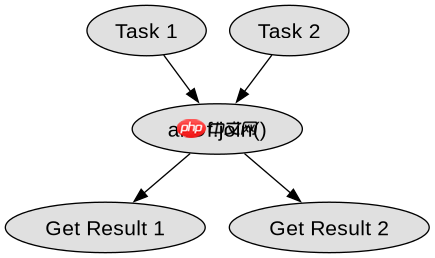
import java.util.concurrent.CompletableFuture;

public class AggregationExample {
    public static void main(String[] args) throws Exception {
        CompletableFuture<String> task1 = CompletableFuture.supplyAsync(() -> "Result 1");
        CompletableFuture<String> task2 = CompletableFuture.supplyAsync(() -> "Result 2");

        CompletableFuture.allOf(task1, task2).join();

        System.out.println(task1.get());
        System.out.println(task2.get());
    }
}
如何处理聚合中的异常
当某个子任务抛出异常时,allOf() 本身不会抛出异常,但对应的 get() 调用会触发 ExecutionException。需要在循环中单独捕获异常以确保其他结果能被正常读取。

FilePond 灵活的 JavaScript 文件上传库
下载
FilePond 是一个 JavaScript 文件上传库,支持通过拖拽、粘贴和 API 方式处理文件、目录、URL 和 Data URI。它包含内置的图像优化功能、异步分块上传功能,并提供了适用于 React、Vue、Angular 和 Svelte 的适配器。
立即学习“Java免费学习笔记(深入)”;
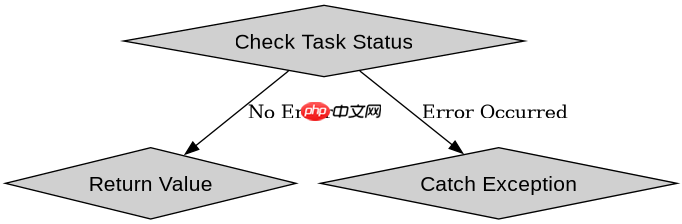
import java.util.concurrent.CompletableFuture;
import java.util.concurrent.ExecutionException;

public class ExceptionHandlingExample {
    public static void main(String[] args) {
        CompletableFuture<String> task1 = CompletableFuture.supplyAsync(() -> "Success");
        CompletableFuture<String> task2 = CompletableFuture.supplyAsync(() -> { throw new RuntimeException("Fail"); });

        CompletableFuture.allOf(task1, task2).join();

        try {
            System.out.println(task1.get());
        } catch (InterruptedException | ExecutionException e) {
            e.printStackTrace();
        }

        try {
            System.out.println(task2.get());
        } catch (InterruptedException | ExecutionException e) {
            System.out.println("Task failed: " + e.getCause().getMessage());
        }
    }
}
基于输入参数数量对执行时间的影响
随着传入 allOf() 的任务数量增加,总执行时间取决于最慢的那个任务。如果任务间存在依赖或共享资源竞争,并发度提升可能导致性能下降。