spring boot 全局异常处理可以通过配置自定义的 errorcontroller 或实现 handlerexceptionresolver 来捕获 thrift 调用异常。具体做法是在项目中定义一个全局异常处理器,使用 @restcontrolleradvice 注解,并在其中添加针对 thrift 异常的 @exceptionhandler 方法。这样,当 thrift 客户端发起调用发生异常时,spring boot 会自动将该异常传递给全局异常处理器进行处理。

如何配置全局异常处理器以捕获 Thrift 异常
要捕获 Thrift 调用异常,首先需要确保项目中引入了 Thrift 相关的依赖,并正确配置了 Thrift 客户端。接下来,创建一个全局异常处理器类,使用 @RestControllerAdvice 注解,并在其中定义针对 Thrift 异常的 @ExceptionHandler 方法。例如,可以捕获 TException 或其子类异常,并在该方法中返回统一的错误响应格式。
import org.apache.thrift.TException;
import org.springframework.http.HttpStatus;
import org.springframework.web.bind.annotation.ExceptionHandler;
import org.springframework.web.bind.annotation.ResponseStatus;
import org.springframework.web.bind.annotation.RestControllerAdvice;

@RestControllerAdvice
public class GlobalExceptionHandler {

    @ExceptionHandler(TException.class)
    @ResponseStatus(HttpStatus.BAD_GATEWAY)
    public String handleThriftException(TException ex) {
        return "Thrift call failed: " + ex.getMessage();
    }
}
上述代码定义了一个全局异常处理器,专门处理 TException 类型的异常。当 Thrift 客户端调用失败时,会触发该异常,并由 handleThriftException 方法统一处理,返回 HTTP 502 状态码和错误信息。
如何处理 Thrift 异常中的具体错误类型
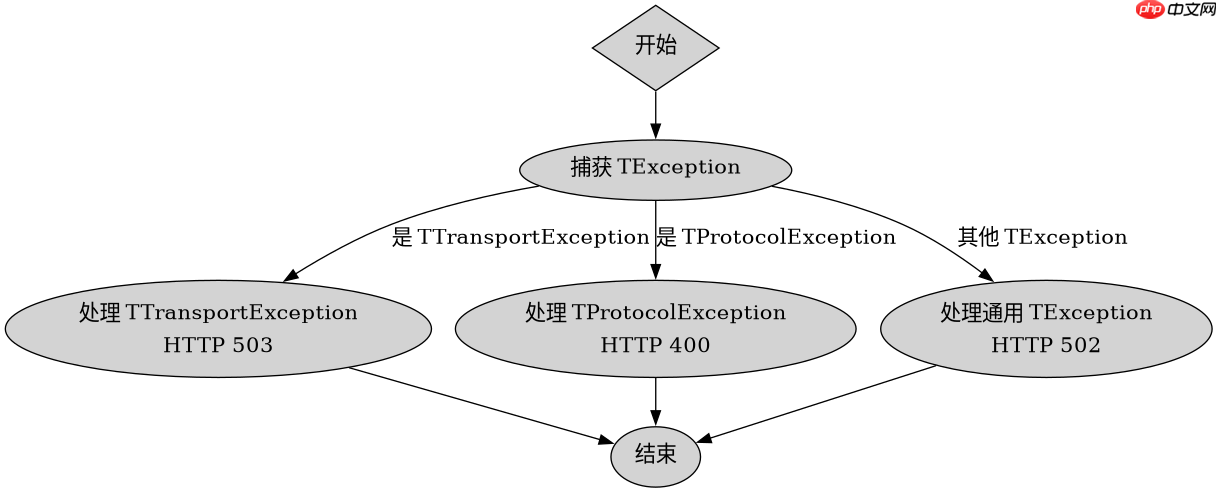
在捕获到 Thrift 异常后,可能需要根据具体的错误类型进行不同的处理。例如,TException 的子类包括 TTransportException、TProtocolException 等,每种异常代表不同的错误场景。可以在全局异常处理器中为这些子类分别定义 @ExceptionHandler 方法,以实现更细粒度的错误处理。


import org.apache.thrift.TException;
import org.apache.thrift.transport.TTransportException;
import org.apache.thrift.protocol.TProtocolException;
import org.springframework.http.HttpStatus;
import org.springframework.web.bind.annotation.ExceptionHandler;
import org.springframework.web.bind.annotation.ResponseStatus;
import org.springframework.web.bind.annotation.RestControllerAdvice;

@RestControllerAdvice
public class GlobalExceptionHandler {

    @ExceptionHandler(TTransportException.class)
    @ResponseStatus(HttpStatus.SERVICE_UNAVAILABLE)
    public String handleTransportException(TTransportException ex) {
        return "Thrift transport error: " + ex.getMessage();
    }

    @ExceptionHandler(TProtocolException.class)
    @ResponseStatus(HttpStatus.BAD_REQUEST)
    public String handleProtocolException(TProtocolException ex) {
        return "Thrift protocol error: " + ex.getMessage();
    }

    @ExceptionHandler(TException.class)
    @ResponseStatus(HttpStatus.BAD_GATEWAY)
    public String handleGeneralThriftException(TException ex) {
        return "Thrift call failed: " + ex.getMessage();
    }
}
上述代码展示了如何针对不同 Thrift 异常类型进行细化处理。TTransportException 通常表示网络连接问题,返回 HTTP 503;TProtocolException 表示协议解析错误,返回 HTTP 400;其他未分类的 Thrift 异常则统一返回 HTTP 502。
Thrift 异常处理中如何记录日志以便排查问题
在全局异常处理器中,除了返回错误响应外,还可以结合日志框架(如 SLF4J)记录异常详情,便于后续排查问题。通过在 @ExceptionHandler 方法中添加日志记录语句,可以将异常堆栈、错误信息等写入日志文件。这样,即使前端用户看到的是简化的错误提示,后端开发人员也能通过日志快速定位问题根源。
import org.slf4j.Logger;
import org.slf4j.LoggerFactory;
import org.apache.thrift.TException;
import org.springframework.http.HttpStatus;
import org.springframework.web.bind.annotation.ExceptionHandler;
import org.springframework.web.bind.annotation.ResponseStatus;
import org.springframework.web.bind.annotation.RestControllerAdvice;

@RestControllerAdvice
public class GlobalExceptionHandler {

    private static final Logger logger = LoggerFactory.getLogger(GlobalExceptionHandler.class);

    @ExceptionHandler(TException.class)
    @ResponseStatus(HttpStatus.BAD_GATEWAY)
    public String handleThriftException(TException ex) {
        logger.error("Thrift call failed", ex);
        return "Thrift call failed: " + ex.getMessage();
    }
}
上述代码在 handleThriftException 方法中使用了 logger.error 记录异常堆栈信息。这样,当 Thrift 调用失败时,不仅会返回错误响应,还会将详细日志写入日志文件,方便开发人员分析具体问题。