



在 node.js 中理解构造函数兼容性,核心在于确保自定义类或构造函数的行为与内置对象(如 error、array)一致,即支持通过 new 关键字实例化,并正确处理原型链。具体做法是定义一个函数作为构造函数,设置其 prototype 属性指向包含共享方法的对象,并在函数体内使用 this 绑定实例属性。这样做能确保实例拥有正确的类型标识和继承关系,从而在 node.js 的模块系统和错误处理机制中无缝工作。若忽略原型设置,实例将无法识别为特定类型,导致 instanceof 检查失败或方法调用报错。

如何正确设置构造函数的原型链以支持继承
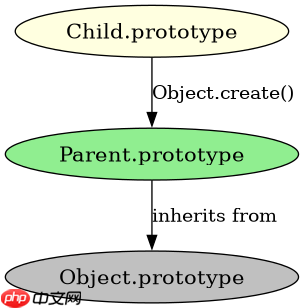
要支持继承,必须将子类的 prototype 设置为父类实例或使用 Object.create 创建的对象,并通过 constructor 属性修复引用。这样做的结果是子类实例可以访问父类的方法,同时保持正确的构造函数指向。Node.js 环境遵循标准的 ECMAScript 规范,因此这种原型链设置方式在所有兼容环境中均有效。关键在于避免直接赋值父类原型,否则会导致原型链断裂或循环引用。
function Parent(name) {
  this.name = name;
}

Parent.prototype.greet = function() {
  return 'Hello, ' + this.name;
};

function Child(name, age) {
  Parent.call(this, name);
  this.age = age;
}

Child.prototype = Object.create(Parent.prototype);
Child.prototype.constructor = Child;

Child.prototype.sayAge = function() {
  return this.age;
};

const child = new Child('Alice', 10);
console.log(child.greet()); // Hello, Alice
console.log(child.sayAge()); // 10
console.log(child instanceof Parent); // true
console.log(child instanceof Child); // true
上述代码定义了 Parent 和 Child 两个构造函数。通过 Object.create(Parent.prototype) 设置 Child.prototype,实现了原型继承。调用 Parent.call(this, name) 在子类构造函数中初始化父类属性。实例 child 成功继承了 greet 方法,并保留了 sayAge 方法。instanceof 检查确认了原型链的正确性。预期输出为:Hello, Alice、10、true、true。
立即学习“Java免费学习笔记(深入)”;

当代理需要在设计或调试工作流时结构化访问 n8n 节点、属性、操作和模板示例时,请使用 n8n-MCP,而不是通过原始文档猜测或手动点击 n8n UI。
构造函数中的 this 绑定在 Node.js 模块中如何工作
在 Node.js 模块中,构造函数内的 this 指向新创建的实例对象,前提是函数被显式或隐式地通过 new 调用。如果忘记使用 new,this 会指向全局对象(在浏览器中是 window,在 Node.js 中是 global),导致属性挂载到全局而非实例。为避免此问题,可在构造函数内部检查 this 是否为当前构造函数的实例,若不是则重新调用自身。这种做法确保了即使开发者误用,也能获得正确的实例行为。Node.js 的严格模式会阻止非 new 调用时 this 指向全局,但为了兼容性,显式检查仍是推荐做法。

function SafeConstructor(value) {
  if (!(this instanceof SafeConstructor)) {
    return new SafeConstructor(value);
  }
  this.value = value;
}

SafeConstructor.prototype.getValue = function() {
  return this.value;
};

const instance1 = new SafeConstructor(42);
const instance2 = SafeConstructor(42);

console.log(instance1.getValue()); // 42
console.log(instance2.getValue()); // 42
console.log(instance1 === instance2); // false
该代码展示了 SafeConstructor 如何通过检查 this instanceof SafeConstructor 来强制使用 new。当直接调用 SafeConstructor(42) 时,它返回一个新的实例,而不是修改全局对象。这保证了无论调用方式如何,都能得到独立的实例。预期输出为:42、42、false。注意 instance1 和 instance2 是两个不同的对象,尽管它们的值相同。
构造函数返回非对象值时对实例化的影响
如果构造函数显式返回一个非对象值(如数字、字符串、布尔值或 null),JavaScript 引擎会忽略 this,并将该返回值作为 new 表达式的结果。只有当构造函数返回一个对象(包括函数、数组、普通对象等)时,该对象才会成为实例化的最终结果。这一行为在 Node.js 中与浏览器环境完全一致,因为它是 ECMAScript 规范的一部分。理解这一点有助于避免意外覆盖实例,例如在工厂模式中误用构造函数逻辑。若希望保留默认实例行为,应确保构造函数不返回任何值,或仅返回 this。