





在 java 中使用 completablefuture 排查问题时,核心做法是在每个异步阶段通过 exceptionally() 捕获异常并记录日志,同时利用 handle() 统一处理成功和失败的结果。这样可以在不中断主流程的情况下,将执行路径、输入参数和错误堆栈完整记录下来,方便后续定位是上游任务失败还是下游消费逻辑出错。

thenApplyAsync 中未捕获的异常会如何传播
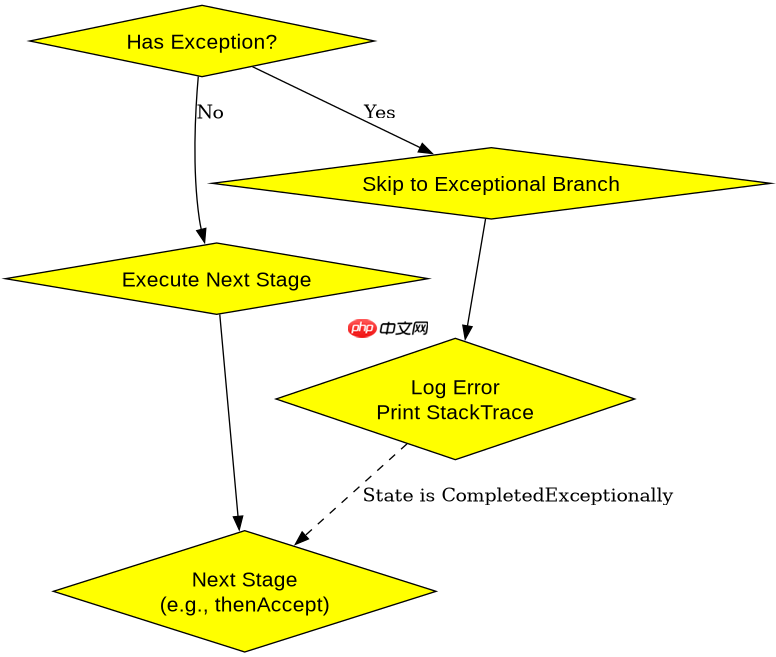
当 thenApplyAsync 中的业务逻辑抛出未检查异常时,该异常会被封装进返回的 CompletableFuture 中,导致后续所有依赖该 Future 的阶段(如 thenAccept)直接进入异常分支,而不会执行正常逻辑。如果不加 exceptionally 或 handle 处理,这些异常通常只会打印到控制台或线程池的默认错误处理器,难以追踪具体是哪个请求出了问题。
import java.util.concurrent.CompletableFuture;
import java.util.concurrent.ExecutionException;

public class AsyncErrorDemo {
    public static void main(String[] args) throws ExecutionException, InterruptedException {
        CompletableFuture<String> future = CompletableFuture.supplyAsync(() -> {
            // 模拟一个必然失败的步骤
            if (true) throw new RuntimeException("Step 1 Failed");
            return "Success";
        })
        .thenApplyAsync(result -> {
            // 这一步永远不会执行,因为上游抛出了异常
            return result.toUpperCase();
        })
        .exceptionally(throwable -> {
            System.err.println("Caught exception: " + throwable.getMessage());
            return "Fallback Value";
        });

        String result = future.get();
        System.out.println("Final Result: " + result);
    }
}
如何确保日志包含完整的调用链上下文
为了确保日志能反映完整的调用链,需要在创建 CompletableFuture 时传入自定义的 Executor,并在日志中显式记录当前线程 ID 和任务标识。此外,使用 handle() 方法可以统一处理成功和失败两种情况,避免代码中混杂大量的 if-else 判断,使日志输出更加规范。

立即学习“Java免费学习笔记(深入)”;
import java.util.concurrent.CompletableFuture;
import java.util.concurrent.Executors;
import java.util.logging.Logger;

public class ContextAwareAsync {
    private static final Logger logger = Logger.getLogger(ContextAwareAsync.class.getName());

    public static void main(String[] args) {
        var executor = Executors.newFixedThreadPool(2);
        String taskId = "REQ-001";

        CompletableFuture<String> future = CompletableFuture.supplyAsync(() -> {
            logger.info("Task [" + taskId + "] started on thread: " + Thread.currentThread().getName());
            return "Data";
        }, executor)
        .thenApplyAsync(data -> {
            logger.info("Processing data for task: " + taskId);
            return data + " Processed";
        }, executor)
        .handle((result, throwable) -> {
            if (throwable != null) {
                logger.severe("Task [" + taskId + "] failed: " + throwable.getMessage());
                return "Error Handled";
            } else {
                logger.info("Task [" + taskId + "] completed with: " + result);
                return result;
            }
        });

        try {
            System.out.println(future.get());
        } catch (Exception e) {
            e.printStackTrace();
        }
    }
}
当多个 CompletableFuture 组合时如何定位具体失败源
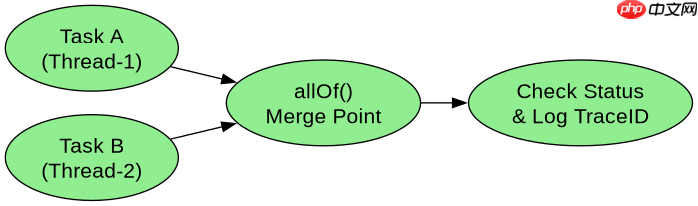
在使用 allOf() 或 anyOf() 组合多个 Future 时,如果其中一个失败,allOf() 本身不会抛出异常,但各个子 Future 的状态会变成 exceptionally。要定位具体失败源,需要遍历参与组合的所有 Future,检查其 isCompletedExceptionally() 状态,并结合之前记录的日志 ID 进行关联分析。这种场景下,建议在每个子任务启动前生成唯一的 TraceID,并在日志中贯穿始终。