





使用 dynamic 调用只有静态成员的类型时,必须通过 type.gettype() 或 typeof() 获取类型对象后,再使用反射 api(如 invokemember)进行调用,因为 dynamic 关键字本身无法直接解析静态成员的绑定。如果尝试直接将类型赋值给 dynamic 变量并调用静态方法,编译器会报错或在运行时抛出 missingmethodexception。核心做法是:将类型作为参数传入反射调用,或者在 dynamic 上下文中显式处理类型元数据。

为什么 dynamic 不能直接调用静态成员?
dynamic 类型的解析发生在运行时,其底层机制依赖于 DLR(动态语言运行时)。DLR 主要设计用于处理实例成员、接口和虚方法的动态分派。当你对一个 dynamic 变量调用方法时,它查找的是该变量所指向对象的实例方法表。静态成员属于类型本身而非实例,因此不在 dynamic 的动态查找范围内。如果你试图这样做,会在运行时立即失败。
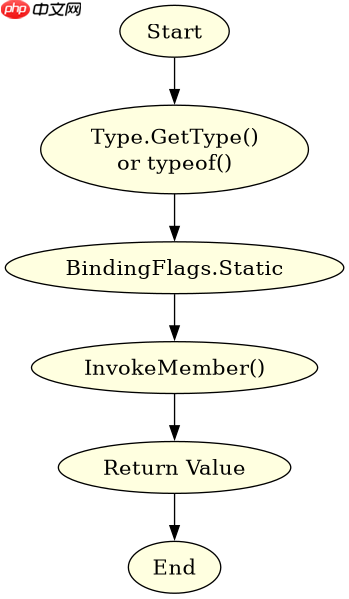

using System;
using System.Dynamic;
using System.Reflection;

public class StaticOnlyClass
{
    public static string GetMessage() => "Hello from Static";
}

public class Program
{
    public static void Main()
    {
        // 错误示范:这会导致运行时异常
        // dynamic dynType = typeof(StaticOnlyClass);
        // Console.WriteLine(dynType.GetMessage()); // MissingMethodException

        // 正确做法:使用反射
        Type type = typeof(StaticOnlyClass);
        object result = type.InvokeMember(
            "GetMessage",
            BindingFlags.Static | BindingFlags.Public | BindingFlags.InvokeMethod,
            null,
            null,
            null
        );
        Console.WriteLine(result); // 输出: Hello from Static
    }
}
如何在动态场景中封装静态调用?
为了在需要动态行为的场景中使用静态成员,可以创建一个包装器或使用 IDynamicMetaObjectProvider。更简单的做法是编写一个辅助方法,接受类型名称字符串,然后在内部使用反射执行静态调用。这样既保留了“动态”指定类型的灵活性,又规避了 dynamic 关键字对静态成员的天然不支持。

using System;
using System.Reflection;

public class DynamicStaticInvoker
{
    public static object InvokeStatic(string typeName, string methodName, params object[] args)
    {
        Type type = Type.GetType(typeName);
        if (type == null) throw new ArgumentException($"Type {typeName} not found.");

        return type.InvokeMember(
            methodName,
            BindingFlags.Static | BindingFlags.Public | BindingFlags.InvokeMethod,
            null,
            null,
            args
        );
    }
}

// 调用示例
// var res = DynamicStaticInvoker.InvokeStatic("StaticOnlyClass", "GetMessage");
如果类型名来自配置且包含泛型怎么办?
当类型名来自外部输入(如配置文件)且涉及泛型时,Type.GetType() 可能无法直接解析,需要手动构建泛型类型。此时依然不能使用 dynamic 直接调用,必须先构造出完整的 Type 对象,再执行上述的 InvokeMember 流程。例如,对于 List<string></string>,需使用 MakeGenericType 生成类型,然后对其静态成员(如果有的话)进行反射调用。