使用 completablefuture 的 ortimeout() 方法可以设置超时时间,当任务执行超过指定时长时自动中断并抛出异常,从而防止线程池被长时间占用的慢请求拖垮。具体做法是在调用链中直接挂载 .ortimeout(3, timeunit.seconds),配合 exceptionally() 处理超时异常并返回降级数据或快速失败,以此切断级联故障。

如何为单个异步任务设置硬性超时
通过 orTimeout() 可以在不修改原有业务逻辑的前提下,为任何 CompletableFuture 实例添加超时控制。该方法会启动一个后台定时器,一旦超时未完成任务,就会取消该任务并抛出 TimeoutException。开发者只需在构建好 Future 后追加此方法,即可实现非阻塞式的超时拦截。
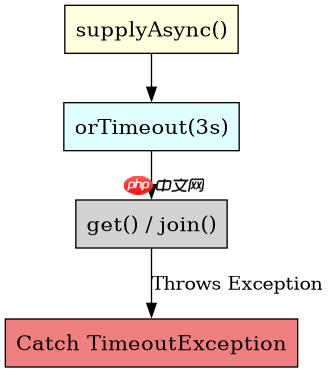
import java.util.concurrent.CompletableFuture;
import java.util.concurrent.TimeUnit;

public class TimeoutExample {
    public static void main(String[] args) throws Exception {
        CompletableFuture<String> future = CompletableFuture.supplyAsync(() -> {
            try { Thread.sleep(5000); } catch (InterruptedException e) {}
            return "Success";
        });

        // 设置3秒超时
        CompletableFuture<String> timedFuture = future.orTimeout(3, TimeUnit.SECONDS);

        try {
            String result = timedFuture.get();
            System.out.println(result);
        } catch (Exception e) {
            System.out.println("Caught: " + e.getClass().getSimpleName());
        }
    }
}
如何结合降级策略避免雪崩
超时控制必须与异常处理结合使用才能有效防止雪崩。当 orTimeout() 触发后,程序进入异常分支,此时应通过 exceptionally() 捕获 TimeoutException 并返回默认值或空结果。这种模式允许系统在部分依赖不可用时快速返回,释放线程资源,避免上游服务因等待而堆积大量请求导致整体崩溃。

立即学习“Java免费学习笔记(深入)”;
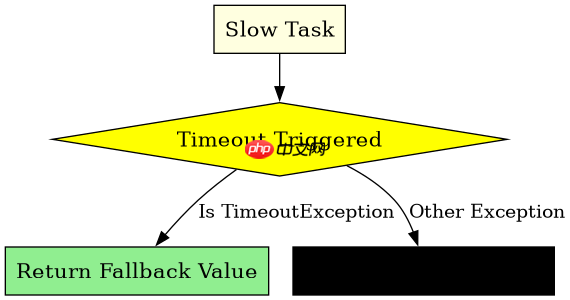
import java.util.concurrent.CompletableFuture;
import java.util.concurrent.TimeUnit;

public class FallbackExample {
    public static void main(String[] args) throws Exception {
        CompletableFuture<String> slowService = CompletableFuture.supplyAsync(() -> {
            try { Thread.sleep(10000); } catch (InterruptedException e) {}
            return "Data";
        });

        // 设置超时并绑定降级逻辑
        CompletableFuture<String> safeFuture = slowService
                .orTimeout(2, TimeUnit.SECONDS)
                .exceptionally(ex -> {
                    if (ex.getCause() instanceof java.util.concurrent.TimeoutException) {
                        return "Fallback Data";
                    }
                    throw new RuntimeException(ex);
                });

        System.out.println(safeFuture.get());
    }
}
超时触发后原任务是否会被取消
当 orTimeout() 触发时,底层会调用 cancel(true) 尝试中断正在运行的任务。如果任务内部没有响应中断(如未检查 Thread.interrupted()),它可能继续运行直到完成,但结果将被丢弃且不再影响主流程。因此,虽然超时能保护调用方,但为了彻底节省资源,建议在耗时操作中加入中断检查,确保任务能被及时终止。