completablefuture 的 thenrunasync 方法用于在当前任务完成后,异步执行一个无输入且无输出的动作。它不接收上一个阶段的计算结果,也不产生新的返回值,仅作为后续操作触发器使用。

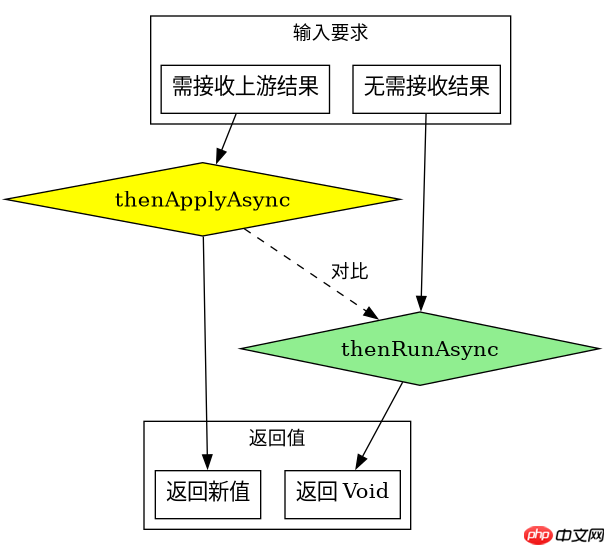
thenRunAsync 与 thenApplyAsync 的核心区别是什么
两者都支持异步执行,但 thenApplyAsync 需要处理输入并返回新值,而 thenRunAsync 既不需要输入也不需要返回值。如果业务逻辑只需要在任务结束后执行清理或通知,应优先选择 thenRunAsync。
import java.util.concurrent.CompletableFuture;
import java.util.concurrent.ExecutorService;
import java.util.concurrent.Executors;

public class Demo {
    public static void main(String[] args) {
        ExecutorService executor = Executors.newFixedThreadPool(2);

        CompletableFuture<String> future = CompletableFuture.supplyAsync(() -> {
            System.out.println("Step 1: Computing...");
            return "Result";
        }, executor).thenRunAsync(() -> {
            System.out.println("Step 2: Action without input/output");
        }, executor);

        try {
            System.out.println("Final Result: " + future.join());
        } finally {
            executor.shutdown();
        }
    }
}
thenRunAsync 的线程池参数如何影响执行
该方法有两个重载版本:一个是使用公共 ForkJoinPool,另一个是传入自定义 Executor。若未指定线程池,默认使用全局共享线程池,可能导致任务排队;显式传入线程池可更好地控制并发度。

Build Java agent transport gateways with Atmosphere
下载
使用Atmosphere构建通过WebSocket、SSE、gRPC、WebTransport、MCP、A2A和AG-UI流传输的JVM代理网关,并带有治理钩子。
立即学习“Java免费学习笔记(深入)”;

import java.util.concurrent.CompletableFuture;
import java.util.concurrent.Executor;
import java.util.concurrent.Executors;

public class Demo2 {
    public static void main(String[] args) {
        Executor customExecutor = Executors.newSingleThreadExecutor();

        CompletableFuture<Void> cf = CompletableFuture.supplyAsync(() -> "Data")
            .thenRunAsync(() -> {
                System.out.println("Executed in custom thread pool");
            }, customExecutor);

        cf.join();
        customExecutor.shutdown();
    }
}
当 thenRunAsync 中的动作抛出异常时会发生什么
如果在 thenRunAsync 提供的 Runnable 中抛出未捕获的异常,该异常会被封装进最终的 CompletableFuture 中,导致调用 join() 或 get() 时抛出 CompletionException。此时后续依赖链将中断,除非通过 exceptionally 进行恢复。