JavaScript 构造函数原型重写后方法丢失怎么解决
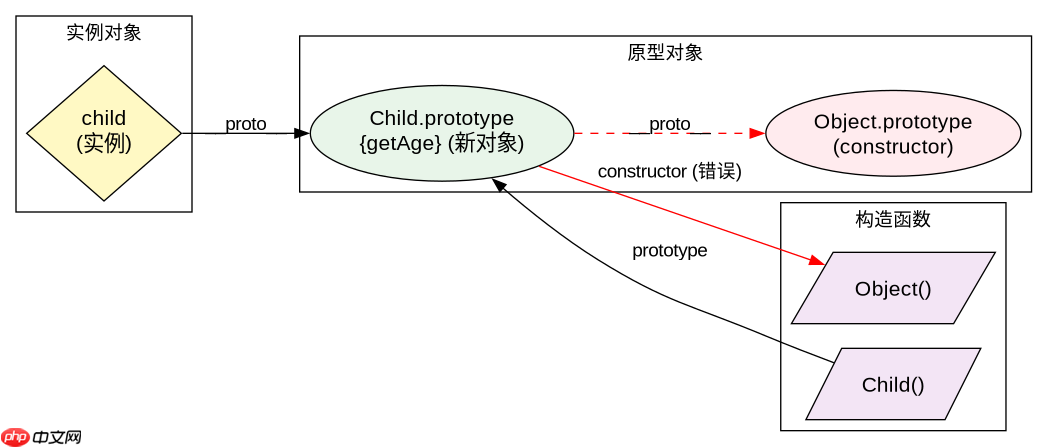
直接回答:通过实例对象访问不到重写后的方法,是因为在赋值新原型对象时没有正确设置 constructor 属性,导致后续使用 new 关键字创建实例时,其内部的原型链指向了错误的目标。解决办法是在重写原型后,手动将 subtype.prototype.constructor 重新指向对应的构造函数。
为什么直接覆盖会导致原型链断裂
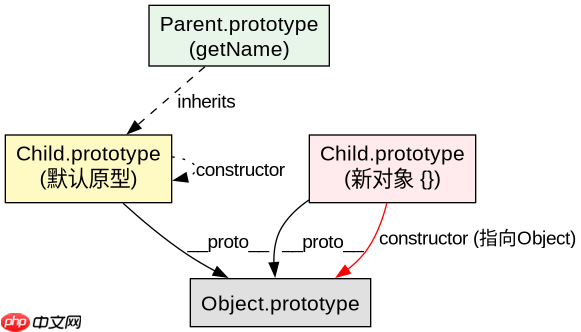
直接回答:因为 JavaScript 中每个函数都有一个默认的 prototype 对象,该对象包含一个指向函数自身的 constructor 引用。当你用一个新的普通对象(如 {})完全替换掉这个默认原型时,新对象里并没有 constructor 属性,或者它的 constructor 指向的是全局的 Object 构造函数。这会导致基于该原型的实例无法正确识别自己的类型,且如果子类继承自父类,这种断裂会阻断对父类方法的查找。

OpenAI Agents SDK JavaScript 工作流工具包
下载
一个基于源码的 OpenAI Agents SDK JavaScript 和 TypeScript 技术文档。涵盖了代理编排、工具、转接、追踪以及实际安装路径。
function Parent() {
    this.name = 'Parent';
}
Parent.prototype.getName = function() {
    return this.name;
};

function Child() {
    this.age = 10;
}
// 错误做法:直接覆盖原型,丢失 constructor
Child.prototype = {
    getAge: function() {
        return this.age;
    }
};

const child = new Child();
console.log(child instanceof Child); // true
console.log(child instanceof Parent); // false,原型链断裂
console.log(child.constructor === Child); // false,指向 Object
如何正确修复并验证结果
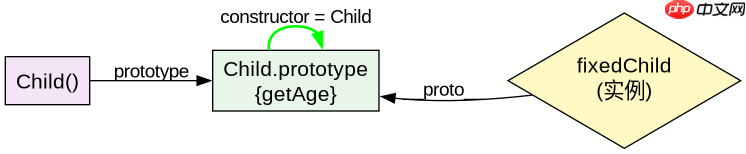
直接回答:在赋值新原型对象后,必须显式地给 Child.prototype.constructor 赋值为 Child。这样不仅恢复了正确的类型标识,也确保了原型链上的其他逻辑(如某些库依赖 constructor 进行实例检查)能正常工作。
立即学习“Java免费学习笔记(深入)”;
// 修正后的代码
Child.prototype = {
    getAge: function() {
        return this.age;
    }
};
// 关键修复步骤
Child.prototype.constructor = Child;

const fixedChild = new Child();
console.log(fixedChild.constructor === Child); // true
console.log(fixedChild instanceof Child); // true