在 java 中,使用 try-with-resources 语句是释放资源并避免泄漏的首选方式,它会自动调用实现了 autocloseable 接口的对象的 close() 方法。如果必须使用传统的 try-catch-finally 块,应将资源释放逻辑放在 finally 块中,并确保在 finally 中检查资源是否为空且未关闭,以防止 nullpointerexception 或重复关闭异常。

传统 try-catch-finally 如何确保 finally 执行
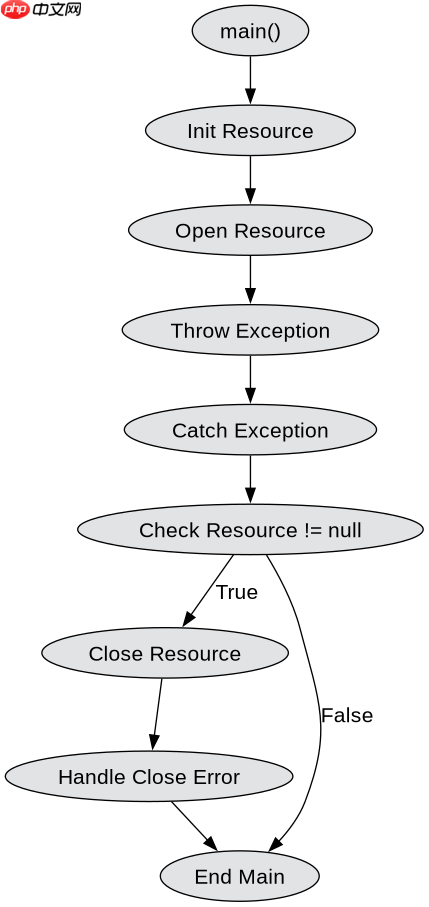
在传统异常处理中,finally 块中的代码几乎总是会被执行,除非 JVM 退出或线程被强制中断。这保证了无论 try 块中是否发生异常,清理逻辑都能运行。下面是一个完整的示例程序,展示了如何在 finally 中安全地关闭一个模拟的资源对象。
import java.io.IOException;

public class ResourceCleanup {
    public static void main(String[] args) {
        MyResource resource = null;
        try {
            resource = new MyResource();
            System.out.println("Resource opened: " + resource.isOpen());
            // Simulate an exception
            throw new IOException("Simulated error");
        } catch (IOException e) {
            System.out.println("Caught exception: " + e.getMessage());
        } finally {
            if (resource != null) {
                try {
                    resource.close();
                    System.out.println("Resource closed in finally block.");
                } catch (Exception e) {
                    System.out.println("Error closing resource: " + e.getMessage());
                }
            }
        }
        System.out.println("Program ends. Resource is closed: " + resource.isClosed());
    }
}

class MyResource implements AutoCloseable {
    private boolean open = true;

    public boolean isOpen() { return open; }
    public boolean isClosed() { return !open; }

    @Override
    public void close() throws Exception {
        if (this.open) {
            this.open = false;
        } else {
            throw new IllegalStateException("Already closed");
        }
    }
}
预期输出: Resource opened: true Caught exception: Simulated error Resource closed in finally block. Program ends. Resource is closed: true
try-with-resources 相比 finally 的优势
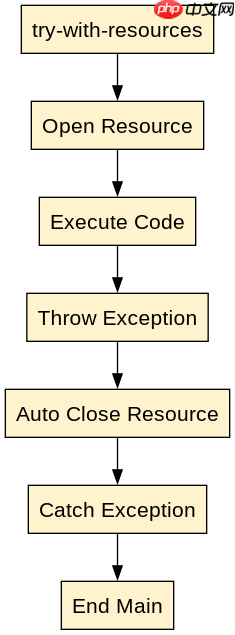
try-with-resources 语法更简洁,且能自动处理资源的关闭,即使 close() 方法抛出异常,也能正确传播。相比之下,手动在 finally 中关闭资源需要更多的样板代码和错误检查。以下代码展示了如何使用 try-with-resources 实现相同的功能,代码量更少且不易出错。

一个基于源码的 OpenAI Agents SDK JavaScript 和 TypeScript 技术文档。涵盖了代理编排、工具、转接、追踪以及实际安装路径。
立即学习“Java免费学习笔记(深入)”;
import java.io.IOException;

public class TryWithResourcesExample {
    public static void main(String[] args) {
        try (MyResource resource = new MyResource()) {
            System.out.println("Resource opened: " + resource.isOpen());
            throw new IOException("Simulated error");
        } catch (IOException e) {
            System.out.println("Caught exception: " + e.getMessage());
        }
        // Note: resource is automatically closed here, even if an exception occurred
        System.out.println("Program ends. Resource is closed: " + new MyResource().isClosed());
    }
}
预期输出: Resource opened: true Caught exception: Simulated error Program ends. Resource is closed: true
finally 块中关闭资源时如何处理嵌套异常
当在 finally 块中关闭资源时,如果 close() 方法抛出异常,而 try 块中也抛出了异常,那么 finally 中的异常会覆盖 try 块中的异常。这可能导致原始异常的丢失。为了解决这个问题,可以使用 Java 7 引入的 addSuppressed() 方法来保留原始异常。然而,在现代 Java 开发中,推荐使用 try-with-resources,因为它会自动处理这种情况,无需手动管理 suppressed 异常。