使用迭代器模式解耦遍历逻辑的核心做法是定义一个统一的 iterator 接口,让集合类实现该接口并返回具体的迭代器实例。这样调用方只需通过 hasnext() 和 next() 方法即可安全地遍历容器内部元素,无需关心底层数据结构(如数组、链表或树)的具体存储方式。这种设计将“如何遍历”的责任从客户端转移到了迭代器对象中,实现了访问逻辑与数据结构的分离。

Java Iterator 接口包含哪些核心方法
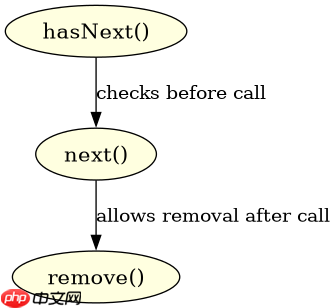
Java 中的 Iterator 接口主要包含三个核心方法:boolean hasNext() 用于判断是否还有下一个元素,E next() 用于获取当前元素并将指针后移,以及 void remove() 用于移除迭代器返回的最后一个元素。这些方法构成了遍历的标准契约,确保无论底层结构如何变化,外部代码都能以统一的方式访问数据。
import java.util.Iterator;

// 自定义集合接口
interface MyCollection {
    void add(String item);
    Iterator<String> iterator();
}

// 具体集合实现:基于数组
public class ArrayCollection implements MyCollection {
    private String[] items = new String[10];
    private int size = 0;

    public void add(String item) {
        if (size < items.length) {
            items[size++] = item;
        }
    }

    // 返回具体的迭代器实例
    @Override
    public Iterator<String> iterator() {
        return new ArrayIterator();
    }

    // 内部类实现迭代器逻辑
    private class ArrayIterator implements Iterator<String> {
        private int currentIndex = 0;

        @Override
        public boolean hasNext() {
            return currentIndex < size;
        }

        @Override
        public String next() {
            if (!hasNext()) {
                throw new java.util.NoSuchElementException();
            }
            return items[currentIndex++];
        }

        @Override
        public void remove() {
            if (currentIndex == 0) {
                throw new IllegalStateException("No element to remove");
            }
            // 简单移除:将后续元素前移
            System.arraycopy(items, currentIndex, items, currentIndex - 1, size - currentIndex);
            size--;
            currentIndex--;
        }
    }

    public static void main(String[] args) {
        MyCollection collection = new ArrayCollection();
        collection.add("Apple");
        collection.add("Banana");
        collection.add("Cherry");

        // 客户端代码只依赖 Iterator 接口
        Iterator<String> it = collection.iterator();
        while (it.hasNext()) {
            String item = it.next();
            System.out.println(item);
            if ("Banana".equals(item)) {
                it.remove(); // 安全移除
            }
        }
    }
}
为什么需要自定义迭代器而不是直接暴露集合内部状态
直接暴露集合内部状态(如公开数组索引或节点指针)会导致客户端代码与集合实现细节强耦合,且容易破坏封装性。通过自定义迭代器,可以将遍历过程中的状态(如当前索引、当前节点引用)封装在迭代器对象内部。这样不仅保证了线程安全性(每个迭代器拥有独立状态),还允许我们在遍历时动态修改集合结构(如通过 remove() 方法),而不会导致并发修改异常或索引越界。

一个基于源码的 OpenAI Agents SDK JavaScript 和 TypeScript 技术文档。涵盖了代理编排、工具、转接、追踪以及实际安装路径。
立即学习“Java免费学习笔记(深入)”;

import java.util.Iterator;

// 链表节点
class Node {
    String data;
    Node next;
    Node(String data) { this.data = data; }
}

// 链表集合
public class LinkedListCollection implements MyCollection {
    private Node head = null;
    private int size = 0;

    public void add(String item) {
        Node newNode = new Node(item);
        if (head == null) {
            head = newNode;
        } else {
            Node current = head;
            while (current.next != null) {
                current = current.next;
            }
            current.next = newNode;
        }
        size++;
    }

    @Override
    public Iterator<String> iterator() {
        return new ListIterator();
    }

    private class ListIterator implements Iterator<String> {
        private Node current = head;

        @Override
        public boolean hasNext() {
            return current != null;
        }

        @Override
        public String next() {
            if (!hasNext()) {
                throw new java.util.NoSuchElementException();
            }
            String data = current.data;
            current = current.next;
            return data;
        }

        @Override
        public void remove() {
            throw new UnsupportedOperationException("Remove not supported in this simple example");
        }
    }

    public static void main(String[] args) {
        MyCollection collection = new LinkedListCollection();
        collection.add("Dog");
        collection.add("Cat");
        collection.add("Bird");

        Iterator<String> it = collection.iterator();
        while (it.hasNext()) {
            System.out.println(it.next());
        }
    }
}
当集合为空时 Iterator 的行为表现是什么
当集合为空时,hasNext() 方法会立即返回 false,而 next() 方法如果在此时被调用,会抛出 java.util.NoSuchElementException。这是 Java 迭代器模式的约定行为,旨在提醒调用者检查是否有可用元素。在实际开发中,应避免在未检查 hasNext() 的情况下直接调用 next(),以防止程序崩溃。对于空集合,迭代器对象本身仍然有效,只是其内部状态指向无效位置或初始位置,确保多次调用 hasNext() 始终返回 false。