java 中利用移位运算符压缩数据的核心做法是将多个布尔值或小型整数打包进一个整数的二进制位中,通过左移(>)配合掩码进行读取。具体实现时,定义一个整型变量作为容器,写入第 n 个值时将其左移 n 位后与原值按位或(|),读取时将该整数右移 n 位并与 1 按位与(&)。这样做可以将原本需要 n 字节存储的 n 个布尔标志压缩为仅占用 4 字节的单个 int,显著节省内存空间。

如何编写通用的位域读写方法
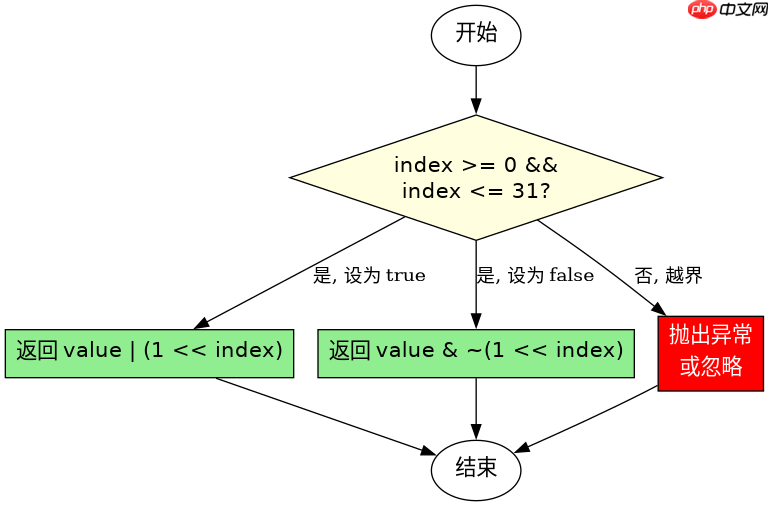
要实现通用的位域读写,可以封装两个静态方法:一个用于设置特定位的值,另一个用于获取特定位的值。设置时使用位移和按位或操作,获取时使用位移和按位与操作。这种方法适用于状态标志、权限控制等场景,能够以极小的开销实现高密度的数据存储。
public class BitFieldUtils {
    // 设置 index 位的值为 value (0 或 1)
    public static int setBit(int value, int index, boolean bit) {
        if (bit) {
            return value | (1 << index);
        } else {
            return value & ~(1 << index);
        }
    }

    // 获取 index 位的值
    public static boolean getBit(int value, int index) {
        return ((value >> index) & 1) == 1;
    }

    public static void main(String[] args) {
        int status = 0;
        // 设置第 0 位为 true,第 2 位为 true
        status = setBit(status, 0, true);
        status = setBit(status, 2, true);

        System.out.println("Status: " + Integer.toBinaryString(status));
        System.out.println("Bit 0: " + getBit(status, 0));
        System.out.println("Bit 1: " + getBit(status, 1));
        System.out.println("Bit 2: " + getBit(status, 2));
    }
}
如何处理多比特字段的压缩与解压
当需要存储的不是单比特标志,而是如 0-7 范围内的枚举值或小型整数时,需要使用掩码提取特定范围的位。例如,用 3 个比特存储一个 0-7 的值,写入时需先清除目标位区域,再写入新值;读取时需右移对应位数并应用掩码。这种方式比单比特更灵活,适合存储角色类型、等级等有限取值的数据。

立即学习“Java免费学习笔记(深入)”;

public class MultiBitField {
    private static final int MASK_3BIT = 0x7; // 111 二进制

    // 在 offset 处写入 3 比特的值
    public static int setMultiBit(int value, int offset, int fieldVal) {
        // 清除目标位
        int cleared = value & ~(MASK_3BIT << offset);
        // 写入新值
        return cleared | ((fieldVal & MASK_3BIT) << offset);
    }

    // 从 offset 处读取 3 比特的值
    public static int getMultiBit(int value, int offset) {
        return (value >> offset) & MASK_3BIT;
    }

    public static void main(String[] args) {
        int data = 0;
        // 假设我们存储三个角色类型:战士(1), 法师(2), 刺客(3)
        // 分别放在偏移 0, 3, 6 的位置
        data = setMultiBit(data, 0, 1);   // 战士
        data = setMultiBit(data, 3, 2);   // 法师
        data = setMultiBit(data, 6, 3);   // 刺客

        System.out.println("Data: " + Integer.toBinaryString(data));
        System.out.println("Role 1: " + getMultiBit(data, 0));
        System.out.println("Role 2: " + getMultiBit(data, 3));
        System.out.println("Role 3: " + getMultiBit(data, 6));
    }
}
基于程序中某个输入、条件或结果的具体问题
在上述代码中,如果输入的 index 或 offset 超出整数的有效范围(如负数或大于 31),会导致未定义行为或逻辑错误。例如,在 setBit 方法中,若 index 为 -1,1 在 Java 中会实际左移 31 位(因为 shift 距离取模 32),这可能导致意外覆盖高位。因此,在实际应用中必须对索引进行边界检查,确保其在 [0, 31] 范围内,以保证数据的正确性和程序的安全性。