



使用 zoneddatetime.now() 可以直接获取带有系统默认时区信息的当前时间对象,从而获得当前的 zoneid。具体做法是调用该静态方法获取实例后,通过 getzone() 方法提取时区对象,或者直接使用 zoneid.systemdefault() 获取系统默认的时区 id。

ZonedDateTime.now() 返回的时区来源是什么
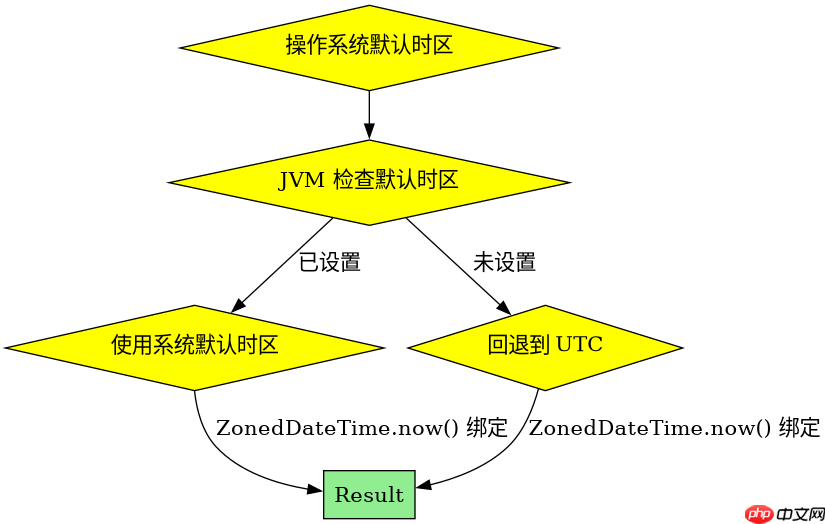
ZonedDateTime.now() 返回的时区来源于操作系统的默认时区设置。在 Java 中,这个默认时区由 TimeZone.getDefault() 决定,通常对应于服务器或客户端运行环境的本地时区配置。
import java.time.ZonedDateTime;
import java.time.ZoneId;

public class Main {
    public static void main(String[] args) {
        // 获取当前带时区的时间
        ZonedDateTime now = ZonedDateTime.now();

        // 提取 ZoneId
        ZoneId zoneId = now.getZone();

        System.out.println("Current ZoneId: " + zoneId);
        System.out.println("System Default ZoneId: " + ZoneId.systemDefault());
    }
}
上述代码运行后,控制台将输出类似 Current ZoneId: Asia/Shanghai 的结果,具体取决于运行环境。如果系统时区设置为 UTC,则输出为 UTC。这验证了 ZonedDateTime.now() 自动绑定系统默认时区的行为。
立即学习“Java免费学习笔记(深入)”;

使用Atmosphere构建通过WebSocket、SSE、gRPC、WebTransport、MCP、A2A和AG-UI流传输的JVM代理网关,并带有治理钩子。
如何显式指定非默认时区获取当前时间
如果需要获取特定时区的当前时间,应使用 ZonedDateTime.now(ZoneId.of("Region/City"))。这种方式不依赖系统默认时区,而是根据传入的 ZoneId 计算该区域的当前时刻。

import java.time.ZonedDateTime;
import java.time.ZoneId;

public class Main {
    public static void main(String[] args) {
        // 显式指定纽约时区
        ZoneId nyZone = ZoneId.of("America/New_York");
        ZonedDateTime nyNow = ZonedDateTime.now(nyZone);

        // 显式指定伦敦时区
        ZoneId londonZone = ZoneId.of("Europe/London");
        ZonedDateTime londonNow = ZonedDateTime.now(londonZone);

        System.out.println("NY ZoneId: " + nyNow.getZone());
        System.out.println("London ZoneId: " + londonNow.getZone());
    }
}
此段代码展示了如何通过 ZoneId.of() 创建特定时区对象,并将其传递给 now() 方法。输出的 ZoneId 将严格反映传入的参数,而非系统默认值。这种方法适用于需要跨时区处理时间的场景,如全球业务逻辑中的时间戳转换。
当系统时区未设置时会发生什么
如果操作系统或 JVM 未明确设置默认时区,Java 会回退到 UTC(协调世界时)。此时 ZonedDateTime.now().getZone() 将返回 UTC。这种行为确保了程序在任何环境下都能正常运行,但可能导致时间显示与用户预期不符。
import java.time.ZonedDateTime;
import java.time.ZoneId;

public class Main {
    public static void main(String[] args) {
        // 模拟未设置时区的情况(实际环境中需通过 -Duser.timezone=UTC 启动)
        System.setProperty("user.timezone", "UTC");

        ZonedDateTime now = ZonedDateTime.now();
        System.out.println("Fallback ZoneId: " + now.getZone());
    }
}
通过设置系统属性 user.timezone 为 UTC,可以强制 JVM 使用 UTC 作为默认时区。输出结果将为 Fallback ZoneId: UTC。这表明在缺乏明确时区配置时,Java 采用 UTC 作为安全默认值,避免空指针或异常。