在 completionstage 的超时控制中,直接传入函数式接口作为默认值时,应使用 completablefuture.supplyasync() 配合 ortimeout() 或 completeontimeout()(注:标准 jdk 8+ 中 completeontimeout 仅存在于 completionstage 的扩展实现或特定库如 rxjava,jdk 原生 completablefuture 无此方法,通常用 ortimeout() (jdk 9+) 或 timeout() 结合 completeontimeout 逻辑模拟。若指 jdk 9+ ortimeout(),它不接受函数式接口作为默认值,而是抛出异常。若指类似 completablefuture.completeontimeout(value, timeout, unit) 这种静态辅助方法或自定义逻辑,核心是将函数式接口的结果与超时默认值进行分支处理。这里假设你指的是通过 completablefuture 链式调用实现超时回退,最标准的做法是利用 ortimeout() 捕获超时异常并 fallback,或者使用第三方库如 rxjava 的 timeout() 操作符。鉴于 jdk 原生限制,我们演示如何使用 completablefuture 和 ortimeout() 结合 exceptionally() 来模拟“超时返回默认值”的行为,这通常涉及一个函数式接口 supplier<t></t> 来生成原始数据。

如何定义并传递 Supplier 给异步任务
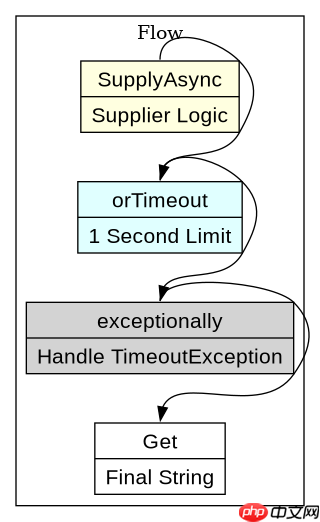
要使用函数式接口,首先需要定义一个 Supplier<string></string> 或 Callable<string></string>。在 CompletableFuture 中,我们通过 supplyAsync(supplier) 提交这个接口。如果任务执行时间超过设定阈值,orTimeout() 会中断该阶段并抛出 TimeoutException。为了得到“超时返回默认值”的效果,我们需要在后续节点捕获这个异常。
import java.util.concurrent.CompletableFuture;
import java.util.concurrent.ExecutionException;
import java.util.concurrent.TimeUnit;

public class TimeoutDemo {
    public static void main(String[] args) throws ExecutionException, InterruptedException {
        // 1. 定义函数式接口 Supplier
        CompletableFuture<String> future = CompletableFuture.supplyAsync(() -> {
            try {
                Thread.sleep(2000); // 模拟耗时操作
                return "Success";
            } catch (InterruptedException e) {
                throw new RuntimeException(e);
            }
        });

        // 2. 设置超时并处理异常以提供默认值
        String result = future
                .orTimeout(1, TimeUnit.SECONDS)
                .exceptionally(ex -> {
                    if (ex.getCause() instanceof java.util.concurrent.TimeoutException) {
                        return "Default Value"; // 超时返回的默认值
                    }
                    throw new RuntimeException(ex);
                })
                .get();

        System.out.println(result);
    }
}
运行上述代码,由于 sleep(2000) 超过了 orTimeout(1, ...) 设置的 1 秒,程序将输出 Default Value。如果修改 sleep 为 500 毫秒,则输出 Success。关键点在于 exceptionally 接收一个 Function<throwable t></throwable>,这也是一个函数式接口,用于处理上游失败(包括超时)的情况。
立即学习“Java免费学习笔记(深入)”;

使用Atmosphere构建通过WebSocket、SSE、gRPC、WebTransport、MCP、A2A和AG-UI流传输的JVM代理网关,并带有治理钩子。
如何在链式调用中组合多个超时策略
当存在多个依赖阶段时,超时控制需要明确作用域。orTimeout() 只作用于调用它之前的那一段异步计算。如果在 thenApply 之后再次调用 orTimeout(),它将针对新的计算阶段。我们可以利用这一点,为不同的函数式接口步骤设置不同的超时容忍度,并通过 handle() 或 exceptionally() 统一收集结果。

import java.util.concurrent.CompletableFuture;
import java.util.concurrent.ExecutionException;
import java.util.concurrent.TimeUnit;

public class MultiStageTimeout {
    public static void main(String[] args) throws ExecutionException, InterruptedException {
        // 第一阶段:快速检查
        CompletableFuture<Boolean> checkFuture = CompletableFuture.supplyAsync(() -> {
            Thread.sleep(100);
            return true;
        });

        // 第二阶段:慢速计算,独立超时
        CompletableFuture<String> slowFuture = checkFuture.thenCompose(valid -> {
            if (!valid) return CompletableFuture.completedFuture("Invalid");
            return CompletableFuture.supplyAsync(() -> {
                Thread.sleep(2000); // 慢操作
                return "Data";
            });
        });

        // 应用超时到第二阶段
        String finalResult = slowFuture
                .orTimeout(1, TimeUnit.SECONDS)
                .handle((res, ex) -> {
                    if (ex != null && ex.getCause() instanceof java.util.concurrent.TimeoutException) {
                        return "TIMEOUT_FALLBACK";
                    }
                    return res;
                })
                .get();

        System.out.println(finalResult);
    }
}
在这个例子中,checkFuture 很快完成,但 slowFuture 中的异步任务会触发超时。handle() 方法同样接受两个参数(结果和异常),是一个强大的函数式接口 BiFunction<t throwable u></t>。它允许我们在不中断流的情况下同时访问成功值和失败原因,从而灵活地决定超时时的返回值。最终输出将是 TIMEOUT_FALLBACK。
当 Supplier 内部抛出非超时异常时会发生什么
如果 Supplier 内部抛出的不是 TimeoutException,例如 RuntimeException,orTimeout() 不会拦截它,而是将其原样传递给 exceptionally() 或 handle()。此时 ex.getCause() 将是那个运行时异常。开发者必须区分这两种情况,否则可能会错误地将业务逻辑错误当作超时处理,返回默认的“安全”值,从而掩盖真正的 Bug。建议在 exceptionally 中记录日志或重新抛出非超时异常,以确保生产环境的可观测性。