在 javascript 中,子类可以通过 super 关键字调用父类的静态方法。具体做法是在子类的静态方法内部使用 super.methodname(),或者在外部通过 parentclass.methodname() 访问。这允许子类复用父类定义的通用逻辑,同时保持静态方法的独立作用域。

子类如何直接调用父类静态方法
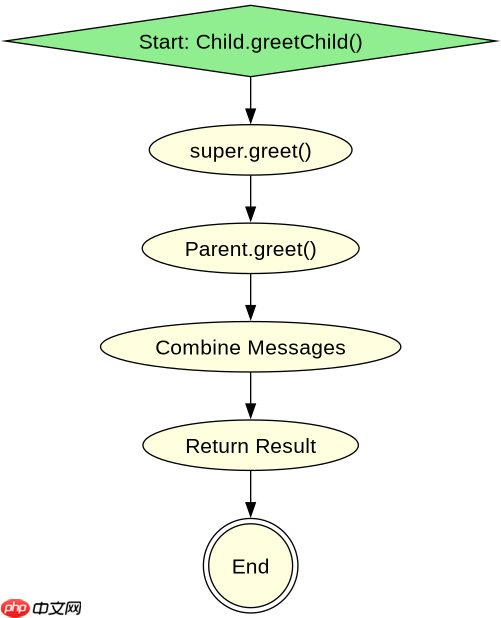
子类可以在自身的静态方法中直接使用 super 来引用父类的静态成员。当调用 super.staticMethod() 时,JavaScript 引擎会查找父类原型链上的静态属性并执行。这种方式最简洁,适用于子类需要扩展或包装父类逻辑的场景。
class Parent {
  static greet() {
    return "Hello from Parent";
  }
}

class Child extends Parent {
  static greetChild() {
    // 直接调用父类静态方法
    const parentMsg = super.greet();
    return `${parentMsg} and Child`;
  }
}

console.log(Child.greetChild()); // "Hello from Parent and Child"运行上述代码,Child.greetChild() 会返回组合后的字符串。这里 super.greet()成功调用了 Parent 的 greet 方法。注意 super 在静态方法中指向的是父类构造函数本身,而非实例。
立即学习“Java免费学习笔记(深入)”;

Java开发手册规约集合,基于阿里巴巴Java开发手册(嵩山版)。 涵盖7大维度:编程规约、异常日志、单元测试、安全规约、MySQL数据库、工程结构、设计规约。
子类如何重写并调用父类静态方法
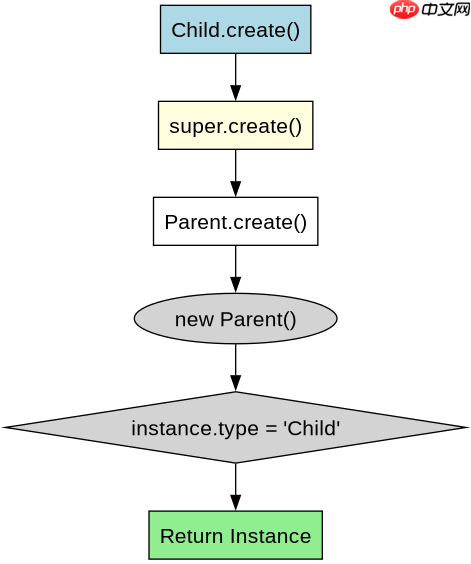
如果子类重写了父类的静态方法,它仍然可以通过 super 调用父类的原始实现。这在模板方法模式或工厂模式中非常有用,子类可以定义特定逻辑,同时委托部分工作给父类。必须在子类静态方法内部使用 super,不能在外部实例上调用。
class Parent {
  static create() {
    return new Parent();
  }
}

class Child extends Parent {
  static create() {
    // 调用父类静态方法获取基础对象
    const instance = super.create();
    // 修改或扩展实例
    instance.type = "Child";
    return instance;
  }
}

const obj = Child.create();
console.log(obj instanceof Parent); // true
console.log(obj.type); // "Child"在这个例子中,Child.create() 调用了 super.create(),即 Parent.create()。由于 Parent.create 返回的是 new Parent(),所以结果是一个 Parent 实例。子类随后修改了这个实例的属性。这展示了静态方法调用继承的实际效果:它返回的是父类构造的对象,除非父类方法内部使用了 this 且被正确绑定(但在静态方法中 this 通常指向调用者,若用 super 调用则 this 仍指向子类,但 new this() 会创建子类实例,而 new Parent() 显式创建父类实例)。在上述代码中,因为 Parent.create 硬编码了 new Parent(),所以结果是父类实例。如果 Parent.create 写成 return new this();,那么 super.create() 中的 this 将指向 Child,从而创建子类实例。
静态方法继承中的 this 指向问题
在静态方法中使用 super 时,this 的指向取决于具体的调用方式和实现。如果在父类静态方法中使用 this.constructor 或 new this(),当通过子类调用时,this 指向子类。然而,如果使用 super.method() 调用父类方法,父类方法内部的 this 依然指向调用该方法的对象(即子类),除非父类方法内部显式绑定了 this 或使用了箭头函数。理解这一点对于避免意外的实例类型至关重要。