spring boot 的全局异常处理机制无法直接捕获 netty 管道(channel)产生的异常,因为 netty 的 i/o 线程运行在 spring 容器之外,异常不会自动抛入 spring 的调用栈。要解决这个问题,必须通过实现 channelinboundhandler 接口并重写 exceptioncaught 方法,将异常转换为 http 响应或记录日志。对于基于 webflux 的应用,需结合 webexceptionhandler;对于传统 mvc 应用,通常需要在 handler 中手动处理或集成特定的适配器。

为什么全局异常处理器抓不到 Netty 异常
全局异常处理器(如 @ControllerAdvice)依赖于 Servlet 容器的错误页机制或 Spring MVC 的拦截器链,而 Netty 是一个非阻塞的异步事件驱动框架,其异常发生在底层的 I/O 线程上,与 Spring 的请求处理流程是隔离的。当 Netty 管道中出现异常时,它不会触发 Spring 的异常解析逻辑,而是直接导致连接关闭或抛出未捕获的运行时异常。因此,必须在 Netty 的链路中显式定义异常处理节点。
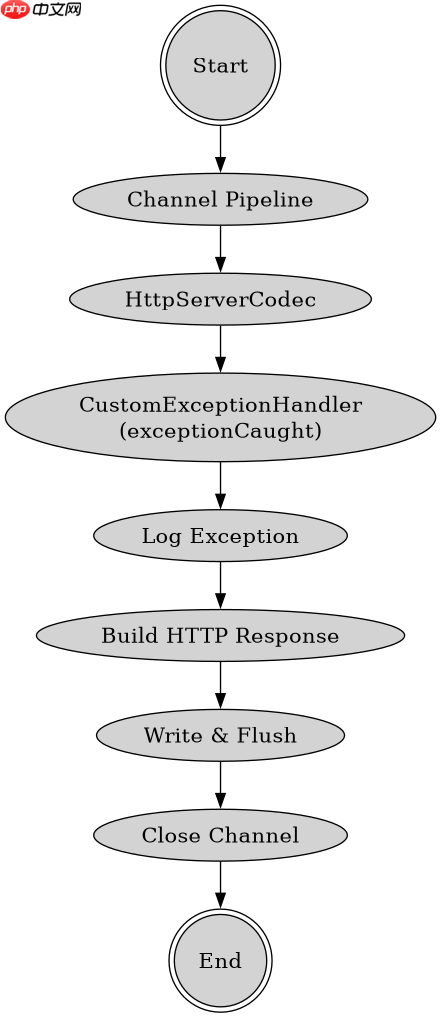
import io.netty.channel.ChannelHandlerContext;
import io.netty.channel.SimpleChannelInboundHandler;
import io.netty.handler.codec.http.HttpResponse;
import io.netty.handler.codec.http.DefaultFullHttpResponse;
import io.netty.handler.codec.http.HttpResponseStatus;
import io.netty.buffer.Unpooled;

public class CustomExceptionHandler extends SimpleChannelInboundHandler<HttpResponse> {
    @Override
    protected void channelRead0(ChannelHandlerContext ctx, HttpResponse msg) {
        // 正常业务逻辑处理
    }

    @Override
    public void exceptionCaught(ChannelHandlerContext ctx, Throwable cause) {
        // 1. 记录异常日志
        System.err.println("Netty Exception: " + cause.getMessage());

        // 2. 构造 HTTP 错误响应
        String errorMsg = "Internal Server Error";
        if (cause instanceof IllegalArgumentException) {
            errorMsg = "Bad Request: " + cause.getMessage();
        }

        byte[] bytes = errorMsg.getBytes();
        DefaultFullHttpResponse response = new DefaultFullHttpResponse(
            io.netty.handler.codec.http.HttpVersion.HTTP_1_1,
            cause instanceof IllegalArgumentException ?
                HttpResponseStatus.BAD_REQUEST : HttpResponseStatus.INTERNAL_SERVER_ERROR,
            Unpooled.wrappedBuffer(bytes)
        );

        response.headers().set(io.netty.handler.codec.http.HttpHeaderNames.CONTENT_TYPE, "text/plain;charset=UTF-8");
        response.headers().set(io.netty.handler.codec.http.HttpHeaderNames.CONTENT_LENGTH, bytes.length);

        // 3. 写入并关闭连接
        ctx.writeAndFlush(response).addListener(io.netty.channel.ChannelFutureListener.CLOSE);
    }
}
上述代码展示了一个自定义的 SimpleChannelInboundHandler,它在 exceptionCaught 方法中捕获了所有管道异常。开发者可以根据具体的异常类型(如 IllegalArgumentException 或 IOException)返回不同的 HTTP 状态码和消息体。这段代码必须被添加到 Netty 的 ChannelPipeline 中才能生效。

如何在 Spring Boot 中集成 Netty 异常处理
在 Spring Boot 应用中,如果使用的是内嵌 Netty 作为 Web 服务器(如 Spring WebFlux 或 Tomcat 切换为 Undertow/Netty),可以通过配置 HttpServerCodec 和自定义 Handler 来接管异常流。关键在于确保自定义的异常处理 Handler 位于 HttpServerCodec 之后,以便能够解码后的对象进行处理,或者位于最前端以捕获原始字节流中的异常。对于 WebFlux,推荐使用 WebExceptionHandler Bean,但需注意它仅处理高层级的请求映射异常,底层管道异常仍需通过 Netty 配置注入。

import org.springframework.boot.web.embedded.netty.NettyReactiveWebServerFactory;
import org.springframework.context.annotation.Bean;
import org.springframework.context.annotation.Configuration;
import io.netty.channel.ChannelInitializer;
import io.netty.channel.socket.SocketChannel;
import io.netty.handler.codec.http.HttpServerCodec;

@Configuration
public class NettyConfig {

    @Bean
    public NettyReactiveWebServerFactory nettyWebServerFactory() {
        return new NettyReactiveWebServerFactory() {
            @Override
            protected void configureHttpServerBuilder(io.netty.bootstrap.ServerBootstrap bootstrap) {
                bootstrap.childHandler(new ChannelInitializer<SocketChannel>() {
                    @Override
                    protected void initChannel(SocketChannel ch) {
                        ch.pipeline()
                            .addLast(new HttpServerCodec())
                            .addLast(new CustomExceptionHandler()); // 注入自定义异常处理器
                    }
                });
            }
        };
    }
}
该配置类通过 NettyReactiveWebServerFactory 修改了 Netty 服务器的初始化过程,在管道中添加了 CustomExceptionHandler。这样,任何经过该管道的异常都会被此 Handler 捕获并转化为标准的 HTTP 响应,从而避免了应用崩溃或未处理的异常堆栈暴露给客户端。开发者只需确保 CustomExceptionHandler 已正确注册到 Spring 容器中或通过其他方式实例化。
如何处理 Netty 管道中的特定业务异常
在实际开发中,除了通用的系统异常,还经常遇到特定的业务异常,如参数校验失败或权限不足。这些异常通常在业务逻辑层抛出,但在 Netty 管道中可能表现为 DecoderException 或 EncoderException。为了精准处理,可以在 exceptionCaught 方法中检查异常的 Cause 链,识别出业务异常并返回相应的 JSON 错误信息。例如,如果业务层抛出了 BusinessException,可以将其包装在 Netty 的异常中,然后在 Handler 中解包并生成友好的错误响应。
import com.example.exception.BusinessException;
import com.fasterxml.jackson.databind.ObjectMapper;
import io.netty.channel.ChannelHandlerContext;
import io.netty.channel.SimpleChannelInboundHandler;
import io.netty.handler.codec.http.*;
import io.netty.buffer.Unpooled;
import java.nio.charset.StandardCharsets;

public class BusinessExceptionHandler extends SimpleChannelInboundHandler<httpresponse> {
    private final ObjectMapper objectMapper = new ObjectMapper();

    @Override
    public void exceptionCaught(ChannelHandlerContext ctx, Throwable cause) {
        Throwable rootCause = cause.getCause() != null ? cause.getCause() : cause;

        if (rootCause instanceof BusinessException) {
            BusinessException ex = (BusinessException) rootCause;
            try {
                String jsonError = objectMapper.writeValueAsString(new ErrorResponse(ex.getCode(), ex.getMessage()));
                byte[] bytes = jsonError.getBytes(StandardCharsets.UTF_8);
                FullHttpResponse response = new DefaultFullHttpResponse(
                    HttpVersion.HTTP_1_1, HttpResponseStatus.OK, Unpooled.wrappedBuffer(bytes));
                response.headers().set(HttpHeaderNames.CONTENT_TYPE, "application/json;charset=UTF-8");
                response.headers().set(HttpHeaderNames.CONTENT_LENGTH, bytes.length);
                ctx.writeAndFlush(response);
            } catch (Exception e) {
                ctx.fireExceptionCaught(e);
            }
        } else {
            // 其他异常默认处理
            ctx.fireExceptionCaught(cause);
        }
    }
}

class ErrorResponse {
    private int code;
    private String message;
public ErrorResponse(int code, String message) { this.code = code; this.message = message; }</httpresponse>