





在 java 中处理 filenotfoundexception 的标准做法是将其作为 ioexception 的子类进行捕获,并在 catch 块中提供具体的错误反馈或执行备用逻辑。通常建议在读取文件前使用 file.exists() 检查路径有效性,或在尝试打开流时直接通过异常处理机制来应对文件缺失的情况。

如何区分 FileNotFoundException 与其他 IOException
可以通过检查异常实例的类型来区分,因为 FileNotFoundException 继承自 IOException。在代码中,应先捕获更具体的 FileNotFoundException,再捕获通用的 IOException,这样能确保针对文件未找到的情况有专门的逻辑处理,而不会混淆其他 IO 错误。
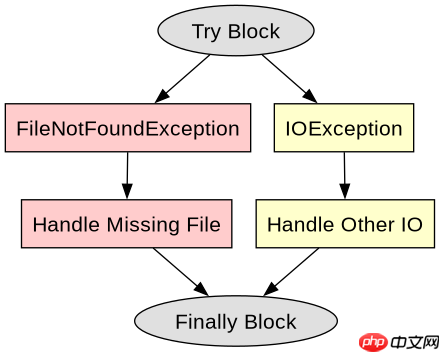
import java.io.*;

public class FileHandler {
    public static void main(String[] args) {
        String filePath = "nonexistent.txt";
        try (BufferedReader reader = new BufferedReader(new FileReader(filePath))) {
            String line = reader.readLine();
            System.out.println("Content: " + line);
        } catch (FileNotFoundException e) {
            System.err.println("Error: File not found at " + filePath);
            // Handle missing file logic here
        } catch (IOException e) {
            System.err.println("IO Error occurred.");
        }
    }
}
如何处理文件存在但权限不足的情况
当文件存在但当前进程没有读取权限时,Java 会抛出 AccessDeniedException(它是 IOException 的子类),而不是 FileNotFoundException。因此,在处理文件访问问题时,需要分别考虑文件不存在和权限被拒绝两种不同的异常场景,以确保程序能正确识别并响应这两种失败原因。

立即学习“Java免费学习笔记(深入)”;

import java.io.*;

public class PermissionHandler {
    public static void main(String[] args) {
        String filePath = "restricted.txt";
        try (BufferedReader reader = new BufferedReader(new FileReader(filePath))) {
            String line = reader.readLine();
            System.out.println("Content: " + line);
        } catch (FileNotFoundException e) {
            System.err.println("File not found.");
        } catch (AccessDeniedException e) {
            System.err.println("Access denied for file: " + filePath);
        } catch (IOException e) {
            System.err.println("Other IO error.");
        }
    }
}
基于程序中某个输入、条件或结果的具体问题
如果程序中输入的文件路径为空字符串,FileReader 会抛出 IllegalArgumentException,而非 FileNotFoundException。这是因为空路径被视为无效参数,在创建流之前就会进行检查。开发者应在调用 FileReader 前验证路径非空,以避免此类运行时异常。