javascript 中 this 软绑定通过创建一个包装函数,在调用时强制指定 this 指向来实现。具体做法是定义一个 softbind 函数,它接收目标对象和原函数作为参数,返回一个新函数;新函数内部先判断当前调用环境中的 this 是否为全局对象或 undefined,如果是则使用传入的目标对象,否则保留原有的 this 值。这样既保证了默认情况下的 this 指向,又允许显式调用时覆盖该指向。

软绑定与硬绑定的区别是什么
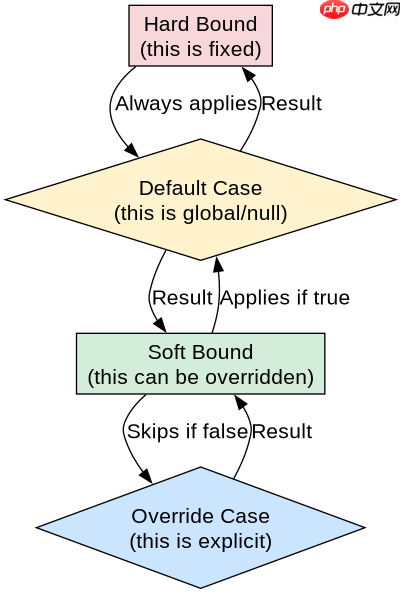
软绑定与硬绑定的核心区别在于 this 的不可变性程度。硬绑定使用 call 或 apply 强制将 this 固定为目标对象,任何后续调用都无法改变这一指向;而软绑定仅在 this 未明确绑定时才应用默认值,若调用者显式传递了新的 this,软绑定会尊重这一选择。这种机制在处理回调函数或事件监听器时非常有用,因为它提供了灵活性同时避免了全局污染。
function softBind(obj, fn) {
  var bound = function() {
    // 检查 this 是否为全局对象或 undefined
    if (this === null || this === undefined || this === window) {
      return fn.apply(obj, arguments);
    }
    return fn.apply(this, arguments);
  };
  return bound;
}

// 示例用法
var module = {
  name: 'Module',
  greet: function() {
    console.log('Hello from ' + this.name);
  }
};

var boundGreet = softBind(module, module.greet);
boundGreet(); // Hello from Module
var obj = { name: 'Object' };
boundGreet.call(obj); // Hello from Object
软绑定在回调函数中的应用场景有哪些
软绑定在回调函数中的应用场景主要包括事件处理、定时器回调以及异步操作中的上下文保持。在这些场景中,开发者通常希望回调函数能够访问某个特定对象的属性或方法,但又不想完全剥夺调用者修改 this 的能力。例如,在 DOM 事件监听器中,如果直接使用硬绑定,可能会失去对事件源元素的访问权限;而使用软绑定则可以确保默认情况下 this 指向期望的对象,同时在需要时通过 call 或 apply 动态调整 this 指向。

立即学习“Java免费学习笔记(深入)”;

// 事件监听器示例
var button = document.getElementById('myButton');
var handler = {
  text: 'Click me',
  onClick: function(event) {
    console.log(this.text + ' was clicked');
  }
};

// 使用软绑定创建回调
var boundHandler = softBind(handler, handler.onClick);
button.addEventListener('click', boundHandler);

// 如果需要临时改变 this 指向,可以这样做
button.addEventListener('click', function(event) {
  boundHandler.call({ text: 'Custom Text' }, event);
});
当 this 为 null 或 undefined 时软绑定如何处理
当 this 为 null 或 undefined 时,软绑定会将其视为未明确绑定的情况,并自动使用传入的目标对象作为 this 的值。这是软绑定的关键特性之一,因为它确保了在非严格模式下不会意外地引用全局对象,而在严格模式下也不会抛出错误。具体来说,softBind 函数内部会检查 this 是否为 null、undefined 或 window(在全局环境中),如果是,则调用原函数时将 this 替换为目标对象;否则,保留原有的 this 值。这种行为使得软绑定成为一种安全且灵活的 this 管理方式。