通过构建一个基于 asyncio 的事件循环,结合任务队列与并发控制来实现分布式健康检查调度器。核心做法是定义一个异步生产者-消费者模型:生产者负责生成待检查的目标列表并放入队列,消费者使用 asyncio.semaphore 限制并发度,逐个执行健康检查逻辑(如 http get 请求),并将结果汇总到共享状态中。这样做可以确保在高负载下不会耗尽系统资源,同时保持调度的实时性。

如何设计高可用的健康检查任务队列?
使用 asyncio.Queue 作为核心数据结构来解耦任务的生成与消费。这种设计允许监控目标动态增减,而无需重启调度器。通过将任务封装为包含目标 URL、预期状态码和超时时间的字典对象,可以实现灵活的健康检查策略。
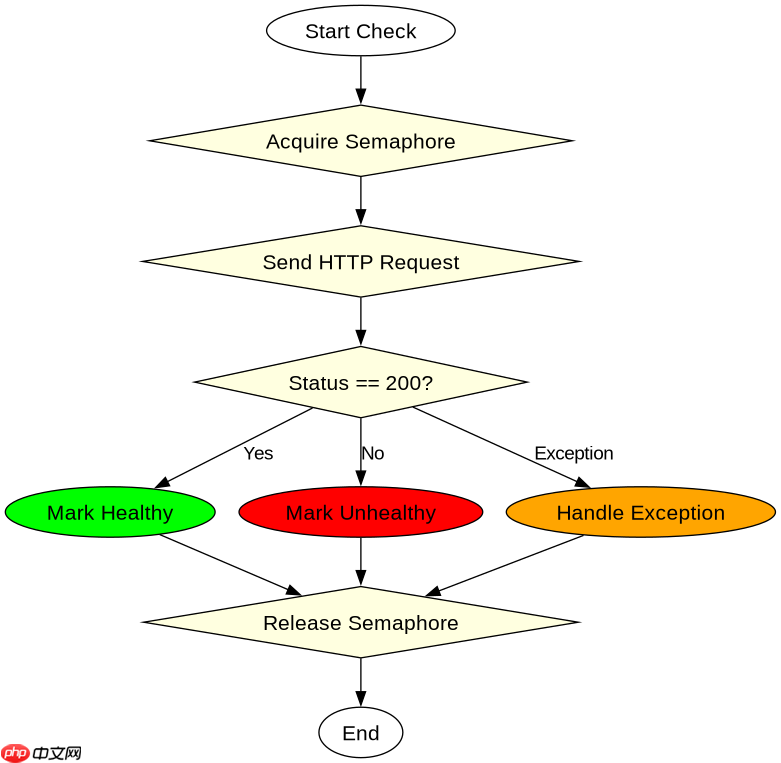
import asyncio
import aiohttp
from typing import Dict, List

class HealthCheckScheduler:
    def __init__(self, max_concurrency: int = 10):
        self.queue = asyncio.Queue()
        self.semaphore = asyncio.Semaphore(max_concurrency)
        self.results: Dict[str, bool] = {}
        self.running = True

    async def producer(self, targets: List[Dict]):
        for target in targets:
            await self.queue.put(target)
        await self.queue.put(None)  # Sentinel to stop consumers

    async def consumer(self, session: aiohttp.ClientSession):
        while self.running:
            task = await self.queue.get()
            if task is None:
                self.queue.task_done()
                break
            try:
                await self.check_health(session, task)
            finally:
                self.queue.task_done()

    async def check_health(self, session: aiohttp.ClientSession, task: Dict):
        async with self.semaphore:
            url = task['url']
            try:
                async with session.get(url, timeout=aiohttp.ClientTimeout(total=5)) as resp:
                    is_healthy = resp.status == 200
                    self.results[url] = is_healthy
                    print(f"Checked {url}: {'OK' if is_healthy else 'FAIL'}")
            except Exception as e:
                self.results[url] = False
                print(f"Error checking {url}: {e}")

    async def run(self, targets: List[Dict]):
        async with aiohttp.ClientSession() as session:
            producer_task = asyncio.create_task(self.producer(targets))
            consumer_tasks = [asyncio.create_task(self.consumer(session)) for _ in range(3)]
            await producer_task
            await asyncio.gather(*consumer_tasks)
如何处理并发检查中的资源竞争与状态同步?
利用 asyncio.Semaphore 严格控制并发连接数,防止因过多并发请求导致目标服务或本地网络拥塞。所有检查结果写入共享字典 self.results 时,由于 Python 的 GIL 机制及 asyncio 的单线程事件循环特性,字典操作本身是原子的,无需额外加锁。但在需要持久化或复杂聚合时,应确保在 await 点之间不修改共享状态。

Nodriver是Undetected-Chromedriver的官方继承者,提供异步浏览器自动化功能,可直接与Chrome DevTools Protocol通信,无需Selenium或WebDriver依赖。专为规避反机器人系统(包括Cloudflare和Imperva)的隐蔽网络自动化而构建。
立即学习“Python免费学习笔记(深入)”;
# 验证并发控制效果
import asyncio
import time

async def simulate_check(semaphore, name):
    async with semaphore:
        print(f"{name} started waiting...")
        await asyncio.sleep(1)  # Simulate network delay
        print(f"{name} finished.")

async def main():
    sem = asyncio.Semaphore(2)
    tasks = [simulate_check(sem, f"Task-{i}") for i in range(5)]
    await asyncio.gather(*tasks)

asyncio.run(main())
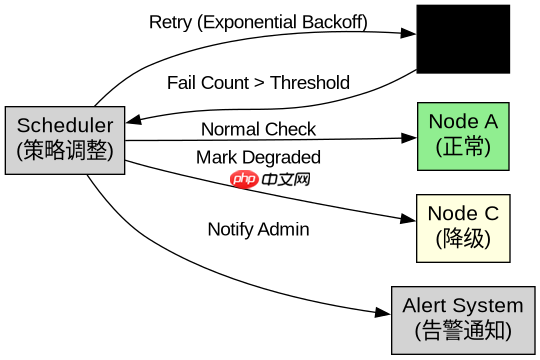
当某个节点连续失败时,调度器应如何调整策略?
在 check_health 方法中集成简单的指数退避或熔断逻辑。如果检测到某 URL 连续 N 次返回非 200 状态或异常,则将该节点标记为“不稳定”,并在后续轮次中降低其检查频率或直接暂停检查,直到人工介入或自动恢复。这可以通过在 HealthCheckScheduler 中维护一个 failure_counts 字典来实现。