箭头函数和 bind 混用出错怎么解决
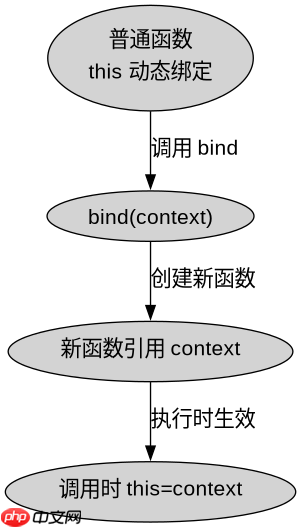
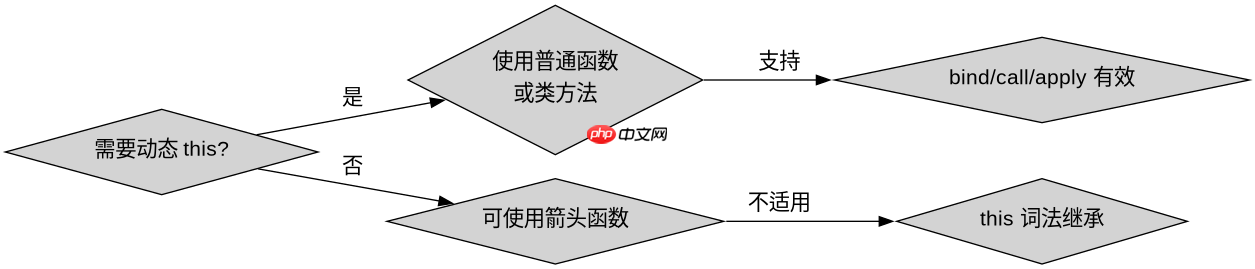
箭头函数无法通过 bind() 绑定 this,因为箭头函数在定义时就已经固定了词法作用域中的 this。要解决这个问题,需要移除对箭头函数的 bind() 调用,改用普通函数表达式或类方法语法,从而让 bind() 能够正确改变执行上下文。

为什么 bind 对箭头函数无效
bind() 返回的新函数会忽略传入的 thisArg,始终使用定义时的 this。这是因为箭头函数没有自己的 this 绑定机制,它总是从外层作用域继承 this。因此,即使你尝试用 bind() 强制指定 this,实际运行时依然会指向定义时的环境,导致逻辑错误。
function createHandler() {
  // 错误:箭头函数 + bind
  const arrowFn = () => {
    console.log(this); // 始终指向全局或外层对象
  };
  const boundArrow = arrowFn.bind({ name: 'bound' });
  boundArrow(); // 输出不是 { name: 'bound' }
}

// 正确:使用普通函数
function createHandlerCorrect() {
  const normalFn = function() {
    console.log(this); // 可以通过 bind 改变
  };
  const boundNormal = normalFn.bind({ name: 'bound' });
  boundNormal(); // 输出 { name: 'bound' }
}
如何重构代码以支持动态 this
将箭头函数替换为普通函数表达式或类方法,确保 this 是动态绑定的。这样 bind()、call() 或 apply() 才能按预期工作。如果是在类中,直接使用方法定义即可,无需额外绑定;如果在回调中,可考虑使用普通函数并配合 bind() 显式绑定上下文。

OpenAI Agents SDK JavaScript 工作流工具包
下载
一个基于源码的 OpenAI Agents SDK JavaScript 和 TypeScript 技术文档。涵盖了代理编排、工具、转接、追踪以及实际安装路径。
立即学习“Java免费学习笔记(深入)”;
// 场景:事件监听器中需要 this 指向实例
const obj = {
  name: 'instance',
  // 错误写法
  handleClick: () => {
    console.log(this.name); // undefined 或全局对象
  },
  // 正确写法
  handleCorrect: function() {
    console.log(this.name); // 'instance'
  }
};

// 或者在外部使用时绑定
const handler = obj.handleCorrect.bind(obj);
handler(); // 输出 'instance'
基于程序中某个输入、条件或结果的具体问题
当你在构造函数或模块顶层使用箭头函数并尝试 bind() 时,this 会指向全局对象(浏览器中是 window,Node.js 中是 global),而不是你期望的实例或模块作用域。这会导致属性访问失败或意外修改全局状态。解决方法是避免在需要动态 this 的场景使用箭头函数,改用普通函数或类方法。