




GoFrame框架单元测试的编写技巧
在goframe框架中编写单元测试,核心是利用其内置的 ghttp 测试套件处理http请求,以及使用 gunit 管理数据库事务。通过继承 gunit.unit 并实现 beforetest 和 aftertest 钩子,可以自动完成数据库的回滚与清理,确保测试环境的隔离性。

如何验证API接口的响应状态码与JSON结构
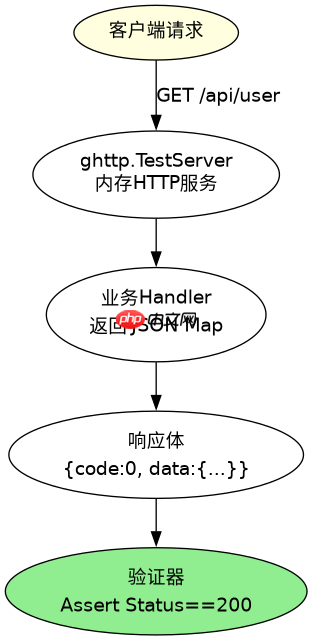
验证API接口时,应使用 ghttp.TestServer 启动一个内存中的HTTP服务器,并通过 ghttp.Request 对象构造请求。重点在于检查返回的状态码是否为 200,以及解析后的JSON数据是否符合预期的字段结构,从而保证业务逻辑的正确性。

package test

import (
	"testing"
	"github.com/gogf/gf/v2/test/gunit"
)

type MyApiTest struct {
	gunit.Unit
}

func TestMyApi(t *testing.T) {
	gunit.Run(func(r *gunit.R, c *gunit.C) {
		server := r.Server()
		// 注册路由
		server.Group("/api", func(group *ghttp.RouterGroup) {
			group.Middleware(server.GetMiddlewareHandlerResponse)
			group.GET("/user", func(r *ghttp.Request) {
				r.Response.WriteJson(g.Map{
					"code": 0,
					"data": g.Map{"id": 1, "name": "test"},
				})
			})
		})
		// 发起请求
		res := server.Get("/api/user")
		c.Assert(res.Status, gtest.Eq, 200)
		c.Assert(res.JSON().Get("code"), gtest.Eq, 0)
	})
}
如何在测试中模拟数据库事务回滚
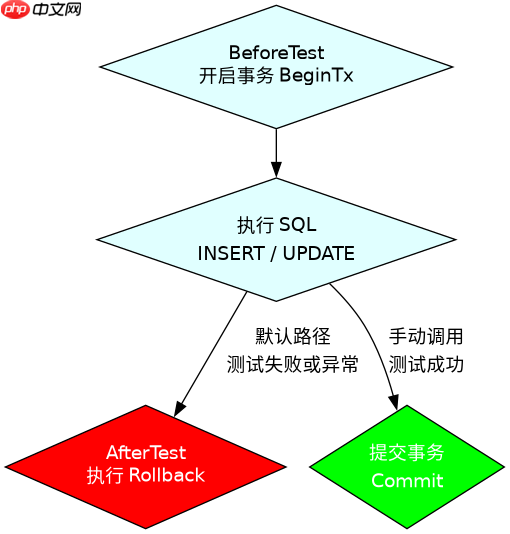
为了确保测试数据不污染生产库,需要在测试开始前开启事务,并在测试结束后自动回滚。GoFrame的 gunit 模块提供了 DB 方法获取数据库实例,结合 BeginTx 和 Rollback 可以实现这一目标,使得每次测试都在独立的事务环境中运行。
package test

import (
	"context"
	"testing"
	"github.com/gogf/gf/v2/database/gdb"
	"github.com/gogf/gf/v2/test/gunit"
)

type DbTest struct {
	gunit.Unit
}

func (s *DbTest) BeforeTest(ctx context.Context, name string) {
	tx, _ := s.DB().BeginTx(ctx)
	ctx = context.WithValue(ctx, "tx", tx)
	// 将带事务的Context注入到后续操作中
	gunit.SetCtx(ctx)
}

func (s *DbTest) AfterTest(ctx context.Context, name string) {
	tx := ctx.Value("tx").(*gdb.TX)
	tx.Rollback(ctx)
}

func TestDbOperation(t *testing.T) {
	gunit.Run(func(r *gunit.R, c *gunit.C) {
		ctx := r.GetCtx()
		_, err := r.DB().Exec(ctx, "INSERT INTO users (name) VALUES (?)", "test_user")
		c.Assert(err, gtest.IsNil)
		// 测试结束后会自动回滚,数据库中无此记录
	})
}
基于程序中某个输入、条件或结果的具体问题
当测试用例中传入空字符串作为用户ID时,系统应当返回特定的错误码而非 panic。在上述代码结构中,如果未对空值进行前置校验,直接查询数据库可能会导致SQL错误或返回空结果集,因此在测试中需明确断言这种边界条件的返回值。