在c#中,将空字符串转换为整数会失败,因为`int.parse()`和`convert.toint32()`默认不支持空值。要解决这个问题,可以使用`int.tryparse()`进行安全转换,或者使用`string.isnullorwhitespace()`先检查输入。
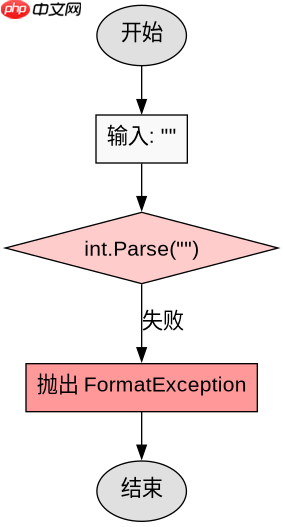
为什么int.Parse()遇到空字符串会抛出异常?
当调用`int.Parse("")`时,方法内部会检测到字符串为空或仅包含空白字符,并直接抛出`FormatException`。这是因为解析器期望一个有效的数字格式,而空字符串不符合该格式要求。
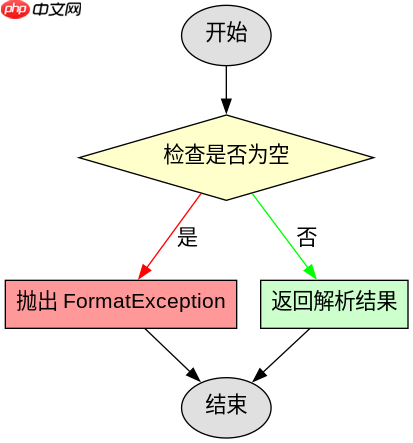

using System;

public class Program
{
    public static void Main()
    {
        string input = "";
        try
        {
            int result = int.Parse(input);
            Console.WriteLine(result);
        }
        catch (FormatException)
        {
            Console.WriteLine("FormatException: 空字符串无法解析为整数");
        }
    }
}
如何使用TryParse避免异常?
`int.TryParse()`方法不会抛出异常,而是返回一个布尔值表示转换是否成功。如果转换失败,输出参数将被设置为0。这种方法更适合处理用户输入或不可信数据。
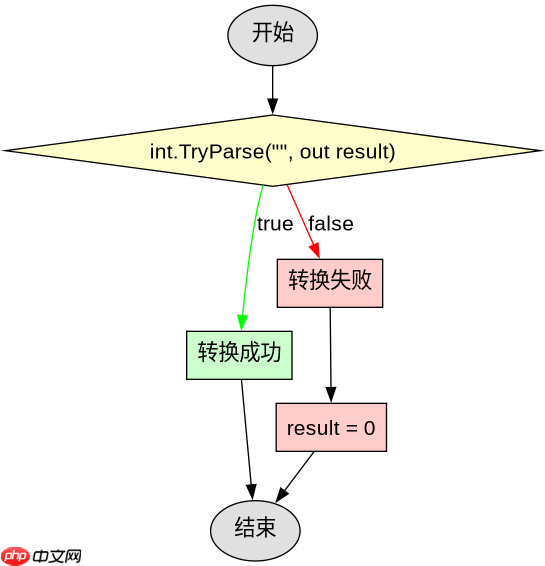
using System;

public class Program
{
    public static void Main()
    {
        string input = "";
        if (int.TryParse(input, out int result))
        {
            Console.WriteLine($"转换成功: {result}");
        }
        else
        {
            Console.WriteLine("转换失败: 输入为空或无效");
        }
    }
}
基于程序中某个输入、条件或结果的具体问题
在实际开发中,如果输入可能为空,建议始终使用`int.TryParse()`或结合`string.IsNullOrWhiteSpace()`进行前置检查,以避免运行时异常。