java 中的 thread 对象不能序列化,因为它没有实现 serializable 接口。如果尝试在序列化时包含该字段,程序会抛出 notserializableexception。
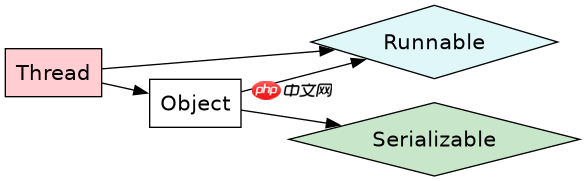
Thread 类是否实现了 Serializable 接口?
没有。查看 JDK 源码可知,java.lang.Thread 类声明为 public class Thread implements Runnable,其父类 Object 也未实现 Serializable。因此,任何试图将 Thread 实例写入流的操作都会失败。
import java.io.*;

public class Main {
    public static void main(String[] args) throws Exception {
        // 定义一个可序列化的包装类
        Wrapper w = new Wrapper();

        try (FileOutputStream fos = new FileOutputStream("test.ser");
             ObjectOutputStream oos = new ObjectOutputStream(fos)) {
            oos.writeObject(w);
        }
    }
}

class Wrapper implements Serializable {
    private String name;
    private Thread thread; // 这个字段会导致问题

    public Wrapper() {
        this.name = "Test";
        this.thread = new Thread(() -> System.out.println("Running"));
    }
}
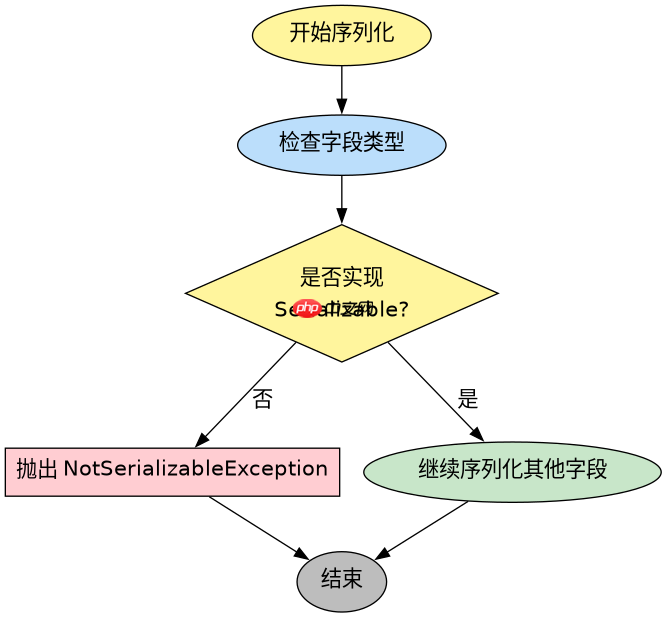
运行上述代码,当执行到 oos.writeObject(w) 时,JVM 会检测到 thread 字段的类型为 Thread,进而检查其继承链,发现未实现 Serializable,随即抛出异常。这证实了 Thread 本身不具备序列化能力。
立即学习“Java免费学习笔记(深入)”;

javascript-typescript-typescript-scaffold
下载
你是 TypeScript 项目架构专家,专注于脚手架搭建生产就绪的 Node.js 和前端应用。生成包含现代工具链(pnpm、Vite、Next.js)、类型
如何避免在序列化中处理 Thread 对象?
必须使用 transient 关键字修饰 Thread 类型的字段。这样在序列化过程中,该字段会被忽略,不会被写入字节流;反序列化时,该字段将被重置为 null。

class Wrapper implements Serializable {
    private String name;
    private transient Thread thread; // 标记为瞬态

    public Wrapper() {
        this.name = "Test";
        this.thread = new Thread(() -> System.out.println("Running"));
    }
}
修改后再次运行序列化代码,不再抛出异常。此时生成的 test.ser 文件仅包含 name 字段的数据。反序列化后,thread 字段为 null,开发者需要在业务逻辑中重新初始化线程或从其他状态恢复线程行为。
使用 transient 后反序列化得到的 Thread 值是什么?
是 null。因为 transient 指示序列化机制跳过该字段的保存,所以反序列化时无法恢复其引用,JVM 默认将其初始化为 null。