node.js 对 es6 class 语法的兼容取决于运行环境,现代 node.js 版本(v12+)已原生支持无需转译,而旧版或特定构建工具链中需借助 babel 等工具进行转换。理解这一兼容性主要关注语法层面的直接执行与编译层面的代码转换两种模式。

Node.js 原生支持哪些 class 特性
Node.js 从 v4 开始通过 V8 引擎逐步引入 class 支持,目前主流 LTS 版本完全兼容标准语法,包括构造函数、原型方法、静态方法和继承关系,开发者可直接使用 new 关键字实例化对象。
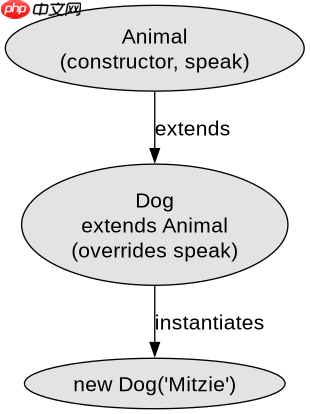
class Animal {
  constructor(name) {
    this.name = name;
  }
  speak() {
    console.log(this.name + ' makes a noise.');
  }
}

class Dog extends Animal {
  speak() {
    console.log(this.name + ' barks.');
  }
}

const d = new Dog('Mitzie');
d.speak(); // Mitzie barks.
上述代码在 Node.js 环境中直接运行输出 Mitzie barks.,验证了继承链和方法覆盖的正确性。
立即学习“Java免费学习笔记(深入)”;

Babel 转译如何处理 class 语法
当项目需要兼容更旧的运行时或打包工具时,Babel 会将 class 语法转换为 ES5 的构造函数和原型赋值模式,确保在不支持原生 class 的环境中也能正确执行逻辑。

// 原始代码
class Point {
  constructor(x, y) {
    this.x = x;
    this.y = y;
  }
  toString() {
    return '(' + this.x + ', ' + this.y + ')';
  }
}

// Babel 转译后近似代码
function Point(x, y) {
  this.x = x;
  this.y = y;
}
Point.prototype.toString = function() {
  return '(' + this.x + ', ' + this.y + ')';
};
转译后的代码保留了原有的属性和方法行为,但不再使用 class 关键字,而是通过函数定义和原型链实现相同功能。
super 关键字在继承中的具体表现
在子类中调用 super() 会执行父类的构造函数并返回实例,若省略则可能在非简单继承场景下导致引用错误,特别是在涉及复杂初始化逻辑时。